

Can Tho is the fourth largest city in Vietnam and one of the best starting points for exploring the Mekong Delta. There are two floating markets near Can Tho (in fact, some of Vietnam’s only surviving floating markets are in this area).
There are also some other great activities, like the Can Tho Museum, a variety of pagodas and Buddhist temples, and even a nearby Cacao farm.
In this guide, I’ll share everything you need to know about visiting Can Tho from Ho Chi Minh City, including how to travel from Saigon to Can Tho, the best things to do there, and where to stay.
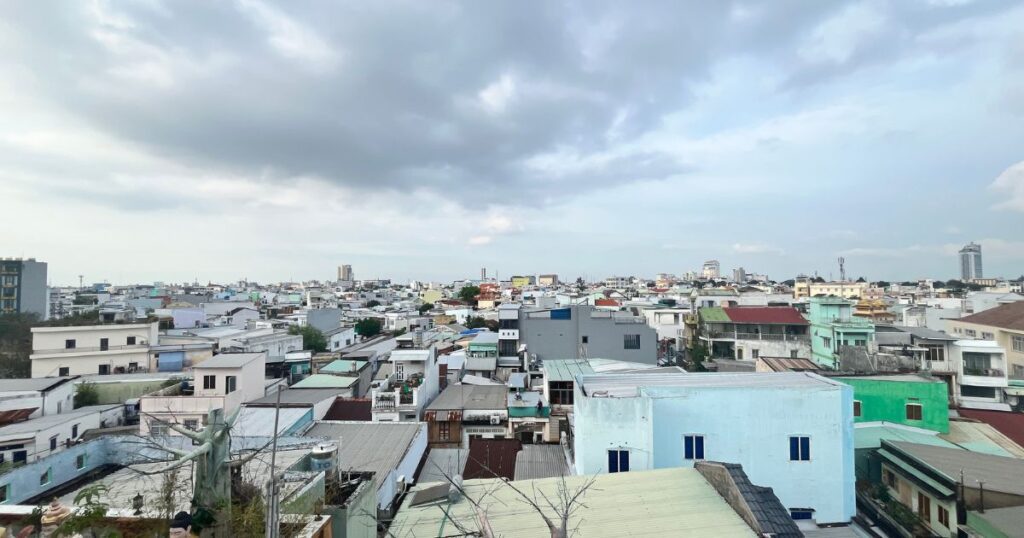
Why Visit The Mekong Delta In Vietnam
The Mekong Delta, or Mekong River Basin, has always fascinated me. My very first introduction to it was about eight years ago, when I took the two-day slow boat from Thailand to Laos and spent a month exploring the river. There’s something about the river that is so mesmerizing, and its history and importance in the region make it even more interesting.
The Mekong River is the longest in Southeast Asia and runs from the Tibetan Plateau through China, Myanmar, Laos, Thailand, Cambodia, and Vietnam. It was once the center point for regional trade, and communities across all countries built villages and lives that revolved around the river, including houses on its shores, floating markets where everyone would convene to trade and sell their produce, and even some floating gardens.
Its development and the way society formed around it is so interesting and integral to understanding the culture and history of those who live near the river. And Vietnam is a great starting point.

How To Travel From Ho Chi Minh City to Can Tho
Can Tho is 97.5 miles (157 km) from Saigon. It takes approximately 2.5-3 hours to travel there by car. It’s the most popular starting point for exploring the Mekong Delta from HCMC, and because it’s so easy to get to, it’s also a very popular day trip from the city.
You can easily visit in a day, the drive there is straightforward, and buses leave throughout the day, starting early in the morning. However, I recommend staying at least two nights to maximize your time.
Here’s a guide on how to travel from Ho Chi Minh City to Can Tho:
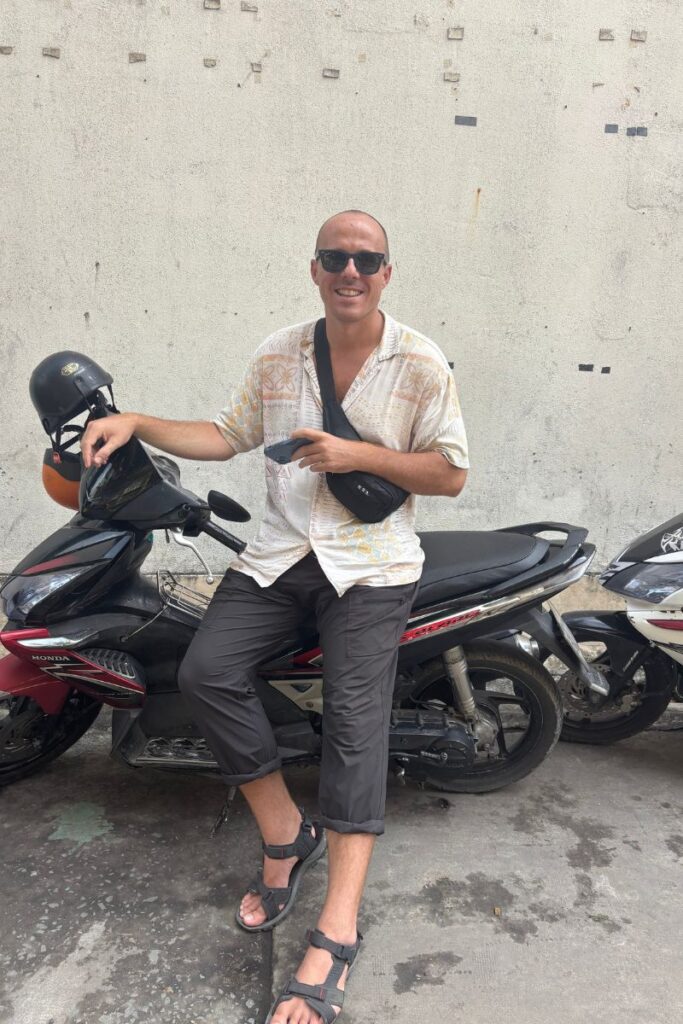
By motorbike
Travel Time: 2.5 hours
Driving a motorbike is the easiest way to travel around Vietnam, but it’s not for the faint of heart, and one of the most dangerous parts of visiting HCMC. Traffic and roads are chaotic, so only drive if you are confident. The good news is that the route to Can Tho is pretty smooth once you leave the city. If you want to avoid the worst traffic, the earlier you go, the better.
You can rent a motorbike from your accommodation in HCMC or from any tourist agency. You’ll notice tons of rental companies in downtown HCMC. You need a Vietnamese motorbike license to drive here technically, and an international driving permit in the USA is not valid, but many places will rent without one. This can also be useful for traveling around HCMC, as well.
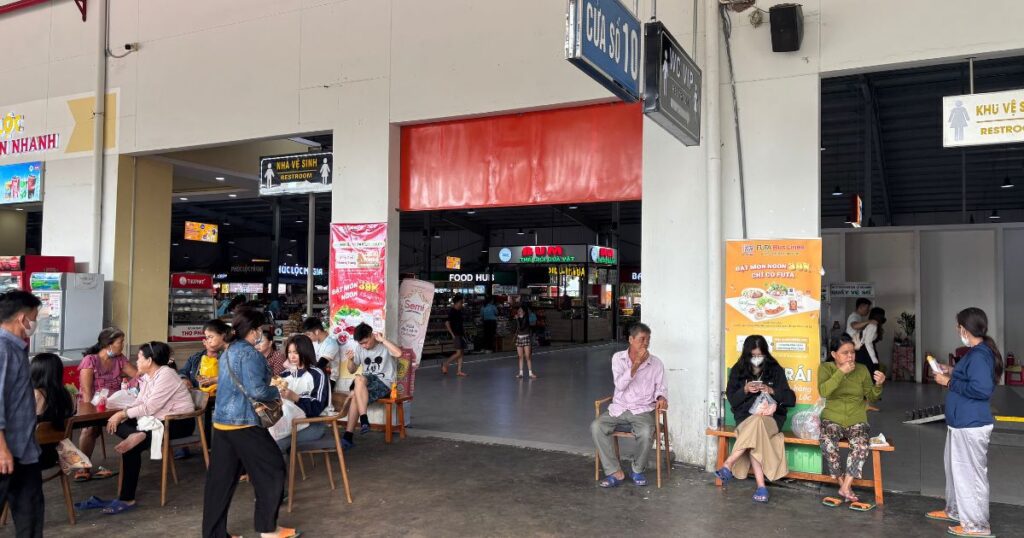
By sleeper bus
Travel Time: 3-5 hours | Bus Location Google Maps: Western Bus Station
A bus is also a great way to travel from Saigon to Can Tho. As previously mentioned, Can Tho is a large city with many bus routes. You can catch a bus from the Western Bus Station or Mien Dong Bus Terminal, which is about 30 minutes by car/motorbike from District 1 in Ho Chi Minh City.
Buses leave every 15-30 minutes, starting early in the morning and going late in the evening.
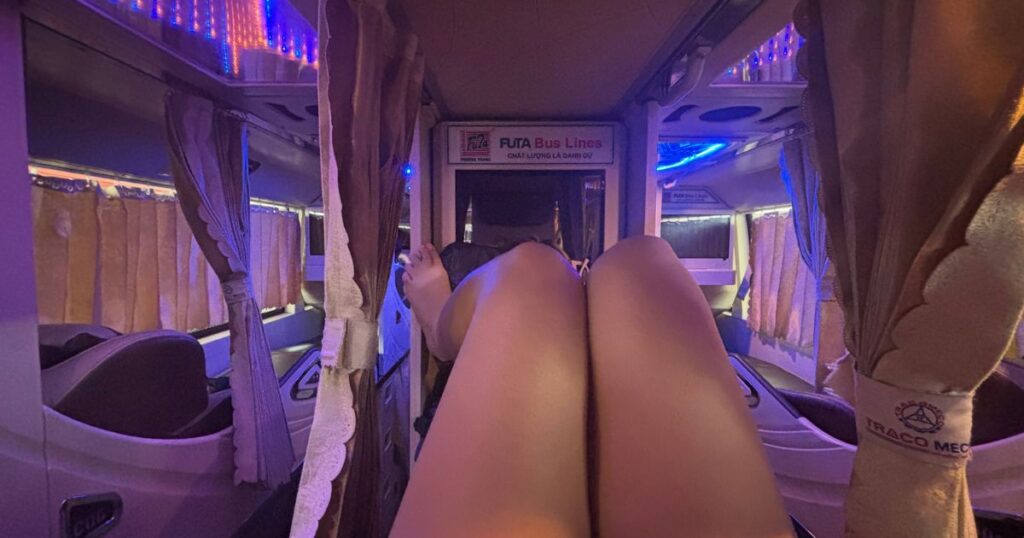
We traveled to Can Tho with Futa bus company and had a great experience. The buses were clean and comfortable and offered free transportation within a specific range from the bus station (via their Futa vans).
The bus only took about 3.5 hours, and there were no real traffic issues. We stopped halfway through at a relatively nice new rest stop with bathrooms, snacks, and drinks.
The bus station in Can Tho is only about 15 minutes from the main downtown area. Some taxis and vans can take you into town, and Grab (a popular rideshare application) also works.
By private transportation
The most expensive option to travel from Saigon to Can Tho is with private transportation. I don’t recommend it because it’s expensive and not as fast as the bus. The bus route is so frequent that it’s easy to hop on a bus.
However, that’s doable if you want to avoid public transportation and don’t mind shelling out for a private driver. When I want to arrange a driver, I usually contact one of my accommodations (either where you’re staying in HCMC or Can Tho) and ask them if they can connect you to a driver.
I’ve also booked a private driver through Binh Yen (Whatsapp: +84 908-800-919) and can highly recommend her services.
By plane
Can Tho International Airport is in Can Tho and has a handful of domestic and international flights. This might be a good option if you’re traveling from northern Vietnam or further away. It’s not a massive airport, so flights are a little more limited and expensive, but it could be convenient if you want to bypass going through Ho Chi Minh City entirely.

Ho Chi Minh City tours to the Mekong River
If you don’t want to deal with the planning, booking a day or multi-day tour might be easiest. These tours arrange everything for you, from transportation to activities. Some full-day tours also include other popular activities out of the city, like the Cu Chi Tunnels or Monkey Island.
Most day trips go to My Tho, another popular starting point for the Mekong, which is much closer to the city. If you want to visit Can Tho, you might want to join a multi-day trip. Here are some highly-rated Ho Chi Minh City tours to the Mekong:
- Cu Chi Tunnels and Mekong Delta Full-Day Tour: This tour does not go to Can Tho; instead, it goes to My Tho. However, it also includes a guided tour of the Cu Chi Tunnels and a canoe ride through the canals of the Mekong.
- Mekong Delta & Cai Rang Floating Market 2-Day Tour: This is a complete two-day tour around the Mekong. You’ll go to My Tho, Ben Tre, and Can Tho. You’ll also go on a Mekong River tour to a famous floating market. The activity includes all transportation, entry fees, tours, meals, and accommodation.
I usually don’t think tours are the best option, but this is one of the situations where it might be easier (especially if you’re short on time).
Things To Do In Can Tho, Mekong River
One of the best things about visiting Can Tho is that it’s a big city with many activities and things to do. Here’s a brief introduction to the best activities for Can Tho, Mekong.
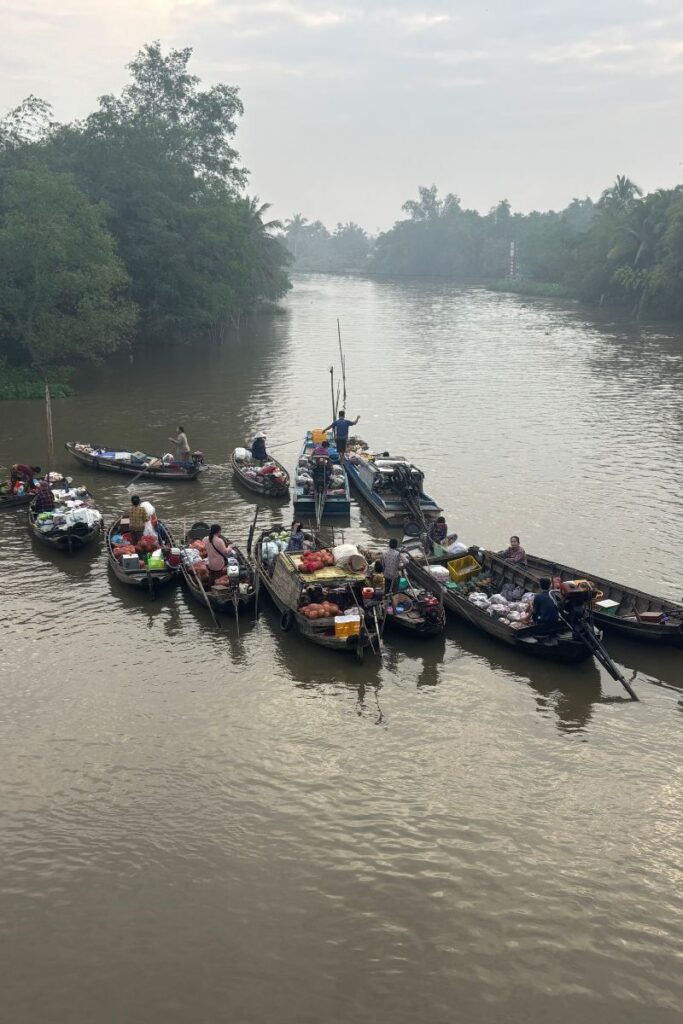
- Mekong River Tours: The number one thing to do in Can Tho is a Mekong River boat tour. You can book this at the docks in the tourist center (near the Night Market) or through your accommodation. Most tours are 1-2 hours, including a quick pass-through of the Cai Rang Floating Market, a fruit garden, a rice paper workshop, and a short canoe ride on a canal.
- Can Tho Floating Market: Very few floating markets are left in Vietnam, and two are near Can Tho. Cai Rang Floating Market and Phong Dien (a bit further from Can Tho) are absolute must-sees. They mainly exist for tourists at this point, but it’s still a neat preservation of the Mekong’s history.
- Cocoa Farm: One of my favorite things in Can Tho was visiting the Mười Cương Cacao Garden, about 30 minutes from Can Tho. You can take a little tour where you learn about the old-school production of chocolate and explore the gardens.
- Can Tho Museum: I was surprised by how much I loved the Can Tho Museum. It’s small, only two stories, but it’s filled with pictures from Can Tho’s history and even more recent events. Some of the photos were fascinating, many from the Vietnam War, and they depict life in this part of the country during times of colonization and conflict.
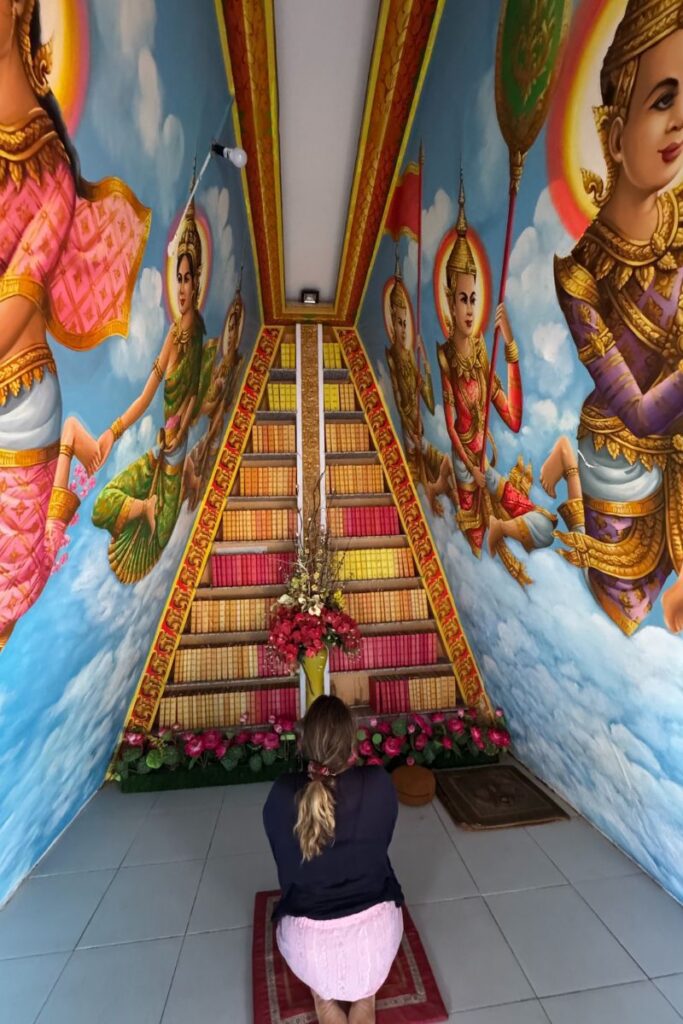
- Pagodas and Temples: Vietnam, in general, is not a religious country. But Can Tho had many Buddhist temples and monasteries, many with beautiful architecture. My personal favorite was Pitu Khosa Rangsey Pagoda (it was one of the coolest temples I’ve been to). You can go to the roof for incredible views, the artwork is amazing, and there are tons of little hidden corners.
If you want a more detailed overview of things to do in Can Tho, make sure to read our article, Best Things To Do In Can Tho (floating markets and more). The article describes all the must-do activities, with specific locations and helpful tips.
Where To Stay In Can Tho
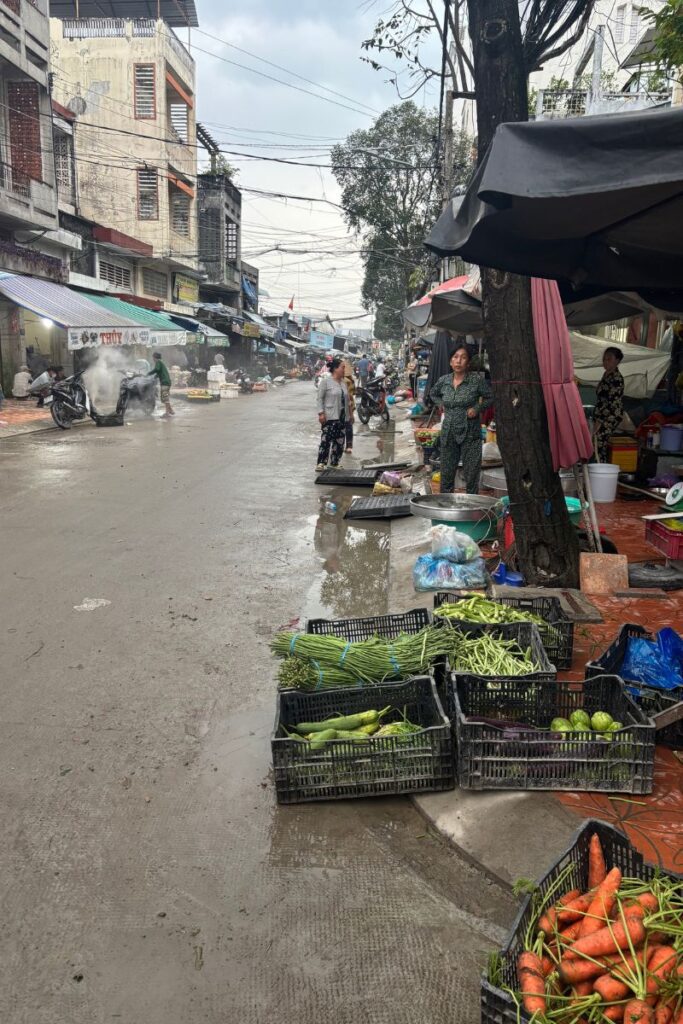
The best area in Can Tho is near the Ninh Kieu Quay. This is the boardwalk along the river (where you would get a boat for a Mekong River tour). There are tons of restaurants, a small night market, and other fun activities. It’s also very closely integrated with local life, so many things can be seen.
Here are some suggestions for where to stay in Can Tho near Ninh Kieu Quay:
- De Rivé Homestay Cần Thơ (budget): This is where we stayed. This is a brand-new homestay (the exact one we booked isn’t available anymore because they’ve moved locations, like two houses down from the old one, but it had 100+ reviews and a 9.3 rating on Booking). It’s a very budget-friendly option, precisely what we wanted because we knew we’d be out doing things early morning into the night. But it’s about a 5-minute walk from the wharf, lots of restaurants, and the staff really went above and beyond.
- Asia Hotel Can Tho (mid-range): This is a perfect in-between hotel near the main pier. It’s a great location, has good reviews, and is more of your traditional hotel (versus a homestay or hostel), so it has a little more amenities.
- Wink Hotel Can Tho – 24hrs stay & Rooftop Pool Bar (luxury): This is the best “luxury” hotel in Can Tho near the wharf. It’s a perfect location, has a beautiful rooftop pool, and great staff.
- Green Village Mekong (cabin retreat): This great lodge-style cabin in Mekong. It’s not located in town; it’s a little more secluded, but it’s a good lodge to stay in if you want something more relaxing.
There are tons of other hotels, as well. As mentioned, Can Tho is a rather large city with many accommodation options, restaurants, bars, and everything else. However, I do recommend sticking to the Ninh Kieu Quay area.
Other Places To Explore On The Mekong River, Vietnam
Can Tho is a great place to stay near the Mekong River because it’s a large city, it’s very easy to get to, and there are many great activities. It’s not super touristy, so it’s also a good blend of tourist activities and local living.
The only downside is that it’s a city. It’s a bit busy (albeit much less than Ho Chi Minh City or Hanoi), so it’s not as relaxing as other places in the region.
If you want a more laid-back, low-key lodge on the Mekong River, I highly recommend visiting Cai Be.
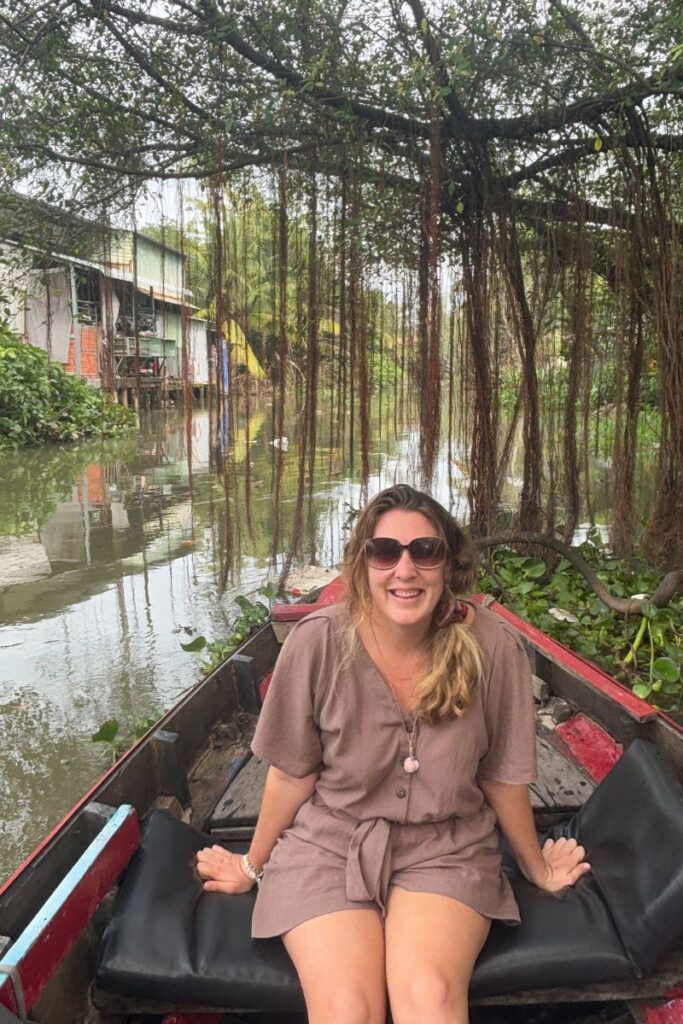
Cai Be is about 1-2 hours from Can Tho (so it’s also possible to visit both). There are a few lodges on the Mekong, backroads, and fewer tourists. It’s more low-key and seems to feel more like the romanticized version of life on the Mekong River. For example, there are houses and markets built literally on the river on stilts, and many people seem to get around by boat.
Is Can Tho Worth Visiting?
Yes, Can Tho is definitely worth visiting. I will admit I have a bit of a fascination with the Mekong River, possibly more so than the average person. It’s just such a unique place, and it’s so much fun to imagine what life was like here hundreds of years ago when everyone traveled by boat and people lived in their own little world down canals and in the mangroves.
That said, Can Tho really has a little something for everyone. While I love Ho Chi Minh City, Can Tho has a completely different vibe. It’s a city, but it feels pretty laid-back. There’s less tourism, and life is less chaotic.
Have you ever been to the Mekong River? If so, where was it? We’d love to hear your stories!



Leave a Reply