
The Mekong Delta is one of southern Vietnam’s best things to do. It’s historically a very important part of the South. While its significance has declined with the rise of motorbikes and the construction of highways, it’s still integral to the communities built up along the river.
Ho Chi Minh City is the perfect base to explore the Mekong Delta in southern Vietnam. In fact, one of the best things to do in HCMC is to venture off to one or more of the Mekong towns.
We lived in HCMC for over a year and spent many long weekends exploring the Mekong Delta. In this guide, we’ll explore the best places to visit in the Mekong Delta, how to get to each one, the top Mekong Delta tour for each, and more.
1. Can Tho (Mekong Delta)
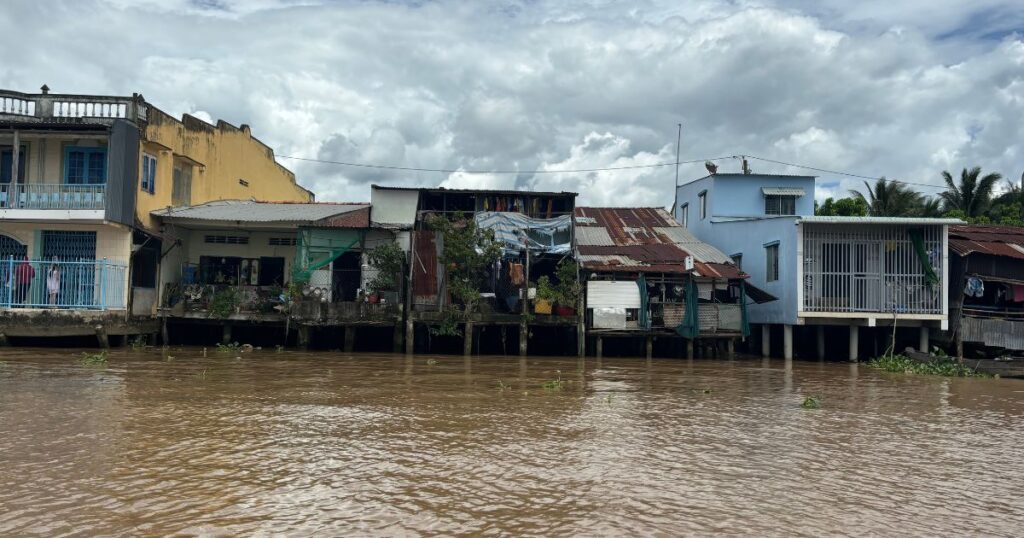
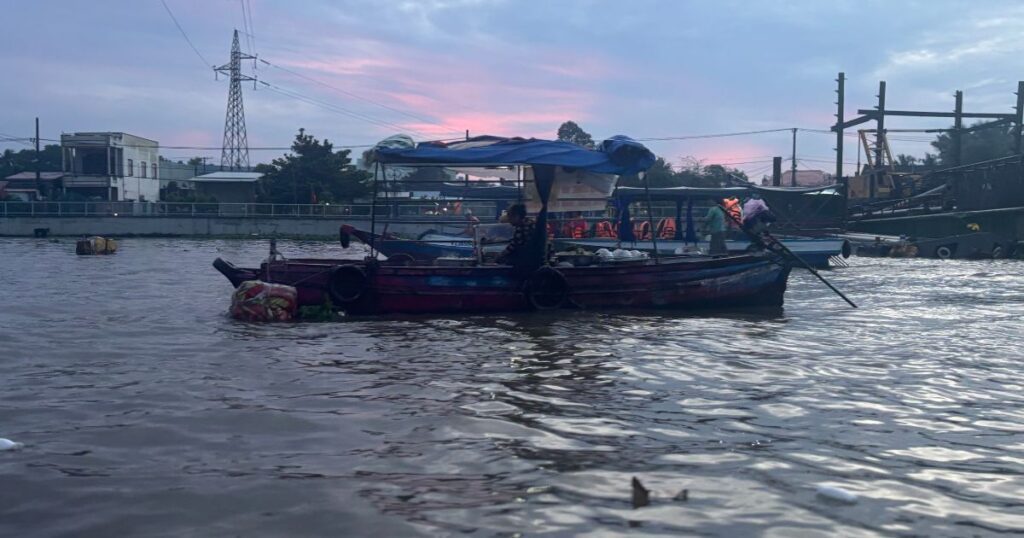
Can Tho is the heart of the Mekong Delta and is known for its floating markets (one of the few places with active floating markets left), lush surroundings, and bustling city life. It’s a little mix of everything. It’s the fourth largest city in Vietnam (tied with DaNang by some metrics, though), but it feels miles away from the chaos of Ho Chi Minh City.
It’s possible to visit on a day trip, but highly discouraged because of timing and different activities. One of the best things to do in Can Tho is visit the floating market, which is usually done at 6:00 AM, so you’ll want to stay at least one night here.
I think Can Tho is one of the best starting points for exploring the Mekong because there’s so much to do and see, and the canals on the Mekong are so beautiful. It’s also really easy to get here from HCMC.
Here’s everything you need to know about visiting Can Tho from HCMC:

How to get to Can Tho from HCMC
Distance from HCMC: 97.5 miles (157km) | approximately 3 hours
The easiest way to get to Can Tho from HCMC is by bus. You can catch a bus from the Western Bus Terminal (Google Maps Location Here) to Can Tho. The bus terminal in Can Tho is only a 15-minute drive into the city center. The bus takes approximately 3 hours each way, and you can take a sleeper bus (with big comfortable beds) or a regular bus. Both are around the same price.
We took a sleeper bus with the FUTA bus company, which was great. The bus was clean and comfortable, and we arrived on time. It makes one 15-minute stop for a bathroom break and a rest station about halfway through the trip.Tips for Driving In Ho Chi Minh City
You can also hire a driver or drive a motorbike. It also takes about three hours each way, and you’ll be driving mainly on CT01 (the major highway running throughout the country).
Tours from HCMC to Can Tho
If you don’t want to take a bus or plan transportation to Can Tho, you can join a guided tour that handles all the logistics. There isn’t a good one-day Mekong Delta tour to Can Tho because you need a little more time, but you can join a multi-day tour from the city.
Most hostels and hotels offer reservation services to help you book a tour; however, you can also book one online through tour agencies like GetYourGuide. This 2-Day Mekong Delta and Can Tho Tour is popular for those who want to explore the Mekong Delta Vietnam. The tour includes roundtrip transportation, accommodation for one night, two lunches, one breakfast, snacks, a motorboat tour on the Mekong, a Sampan boat ride, drinks, and an English-speaking guide.
Why visit Can Tho
Can Tho is one of the best starting points for visiting the Mekong Delta from Ho Chi Minh because it’s easy to get to, there are a lot of fun things to do, and it’s beautiful. The only real downside is it’s a big city, so you don’t get the Mekong River vibes, staying in a cabin on the river, or anything romantic like that. It’s a bustling area with good food, good coffee shops, and lots of activities.

2. Cai Be (Mekong Delta)
If you want that more romantic, classic Mekong experience, Cai Be is the way to go. This is one of my favorite places on the Mekong River and a hidden gem, in my humble opinion. It’s a little more isolated, and since it’s a small city, it’s harder to get to. But it’s very low-key and relaxing, and some beautiful lodges are right on the river.
How to get to Cai Be
Distance from HCMC: 62 miles (100km) | approximately 2-3 hours
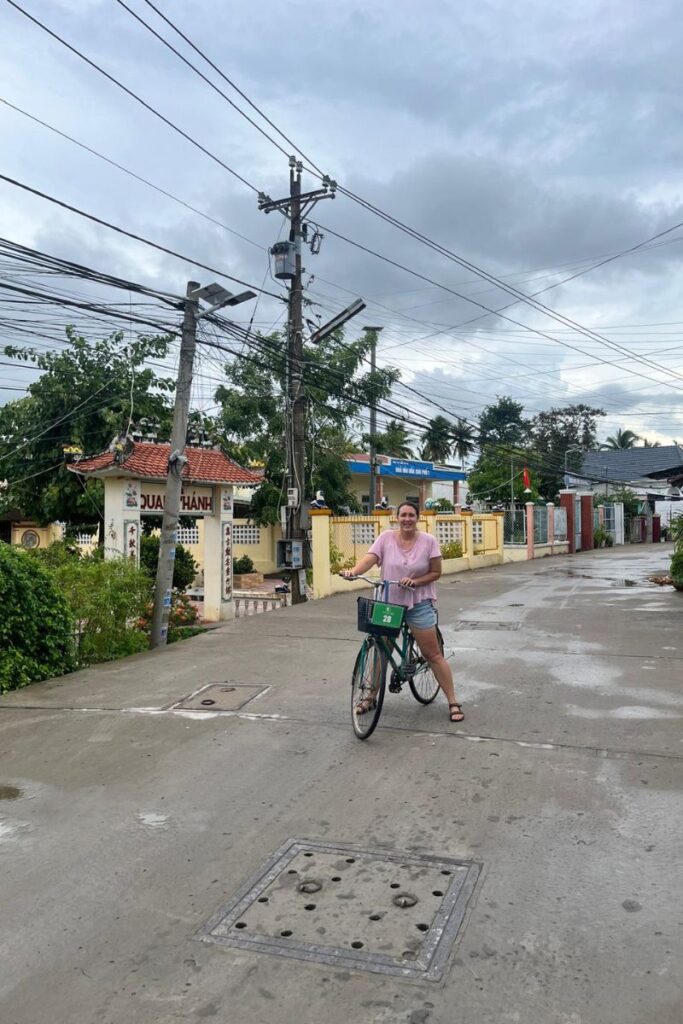
Cai Be is a little more challenging to travel by public transportation because there are fewer options. Our first time visiting Cai Be, we traveled by motorbike. The drive was easy; it went pretty quickly, and it was nice to have our motorbike while we were there.
However, you can also hire a private driver through your accommodation (which should cost around 1.5 million VND or $60 USD).
It’s also possible to get there by bus. We went with our friends to the Western Bus Station in HCMC (Google Maps Location Here) and asked a few people working how to get to Cai Be from HCMC using Google Translate. After asking around for five minutes, one of the employees ushered us over to a small van going to Ben Tre. They spoke with the driver and helped us. The bus dropped us off in Cai Be on its way to Ben Tre.
You must stay at least one night in Cai Be to enjoy it. You can always message your Cai Be lodge and ask them for directions and the best way to get there. They’ll have the most up-to-date information.
Tours from HCMC to Cai Be
There aren’t many Mekong Delta tours to Cai Be because it’s far less popular than Can Tho for tourism. However, there is this 3-Day Mekong Delta & Optional Exit to Phnom Penh via GetYour Guide. This is one of the best Mekong tours from the city because it’s longer than most and takes you to several different places along the river. The three-day tour includes a trip to Cai Be and Can Tho, with an option to get dropped off in Phnom Penh (convenient for those traveling to Cambodia after Vietnam).
The tour includes all entry fees, a boat tour on the Mekong River, two-night accommodation, two breakfasts, two lunches, one dinner, transportation, and an English-speaking tour guide.

Why visit Cai Be
Cai Be is one of my favorite places on the Mekong River because it’s so peaceful, especially if you get a nice Mekong Lodge Hotel away from the city. There used to be a famous Cai Be floating market, but that was recently shut down. You can still take a Mekong River tour (which I highly recommend) to explore some canals and hidden parts of the river, and there are a few other fun things to do, too. Overall, it’s a very non-touristy piece of the Mekong. I consider it one of the best hidden gems in Vietnam.
3. My Tho (Mekong Delta)
My Tho is your best bet if you’re looking for an easy day trip to the Mekong Delta. It’s the closest major city in the region to HCMC, making it one of the most accessible places to get a feel for river life. While it’s more developed than smaller delta towns, My Tho still has that classic Mekong vibe, the narrow canals lined with water palms, floating fish farms, and markets packed with fresh tropical fruit.
My Tho is also famous for its four islands in the Tien River (Dragon, Unicorn, Phoenix, and Turtle), each with little attractions, like bee farms, coconut candy workshops, and riverside pagodas. While it’s more touristy than Cai Be or Can Tho, it’s a solid introduction to the Delta if you’re short on time.
How to get to My Tho
Distance from HCMC: 44 miles (70km) | approximately 1.5–2 hours
You can get a bus from HCMC to My Tho from the Western Bus Station (Google Maps Location Here), but it’s not the most convenient option. Same with riding a motorbike. Taking a bus or driving will take 2-3 hours each way, making a day trip difficult. The easiest way to go is on a guided tour because you’ll travel there by bus and then by speed boat on the Mekong, making the journey much faster. Not to mention, My Tho is the most popular Mekong Delta tour, so most operators have perfected the route.
Tours from HCMC to My Tho
This Mekong Delta, My Tho & Ben Tre Day Trip is one of the most popular day tours in HCMC and is one of the best Mekong Delta trips you can do if you’re short on time because it takes you to several places in just one day.
The tour includes a peaceful boat ride down the Mekong canals, a motorboat tour on the river, a bicycle tour around one of the Mekong villages, and more. You’ll catch all the main highlights, like Vinh Trang Pagoda, Tien Gang Province, and Ben Tre Province.

Why visit My Tho
I don’t think My Tho is the best place on the Mekong Delta because it’s so touristy, but it’s certainly the easiest place to visit from Ho Chi Minh City. It’s also one of the few places on the Mekong where you can go on a day trip, so it’s best for people who have little time or don’t want to spend a weekend away from Ho Chi Minh City. And while it isn’t the most authentic experience, there are still some cool things to do, and it’s a nice little taste.
4. Ben Tre (Mekong Delta)
Ben Tre is often called the “Land of Coconuts” and is one of the most authentic Mekong Delta experiences. The province is famous for its endless coconut groves, intricate network of small canals, and traditional handicraft villages. Unlike My Tho, Ben Tre has managed to maintain much of its local charm despite being relatively close to Ho Chi Minh City.
How to get to Ben Tre
Distance from HCMC: 53 miles (85km) | approximately 2 hours
Getting to Ben Tre is straightforward, with regular buses departing from HCMC’s Western Bus Station (Google Maps Location Here). The journey takes about 2 hours, and buses run frequently throughout the day. You can also travel by motorbike, which takes roughly the same time and offers more flexibility to explore the countryside along the way.
Tours from HCMC to Ben Tre
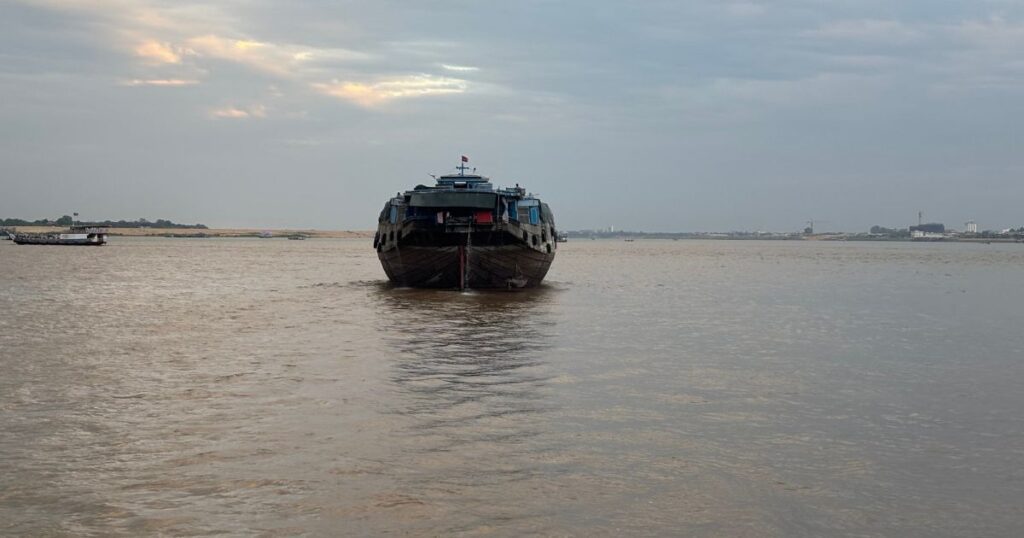
There are a few tours to Ben Tre and the Mekong Delta, and I think it’s the best way to go if you just want to visit on a day trip from HCMC. This Mekong Delta, My Tho & Ben Tre Day Trip I recommended earlier is one of the most popular options and visits Ben Tre and My Tho. You’ll even have a coconut candy workshop. Coconut candy is a specialty in southern Vietnam, and seeing everything that goes into it, followed by a bit of tasting, is a really cool experience.
Why visit Ben Tre
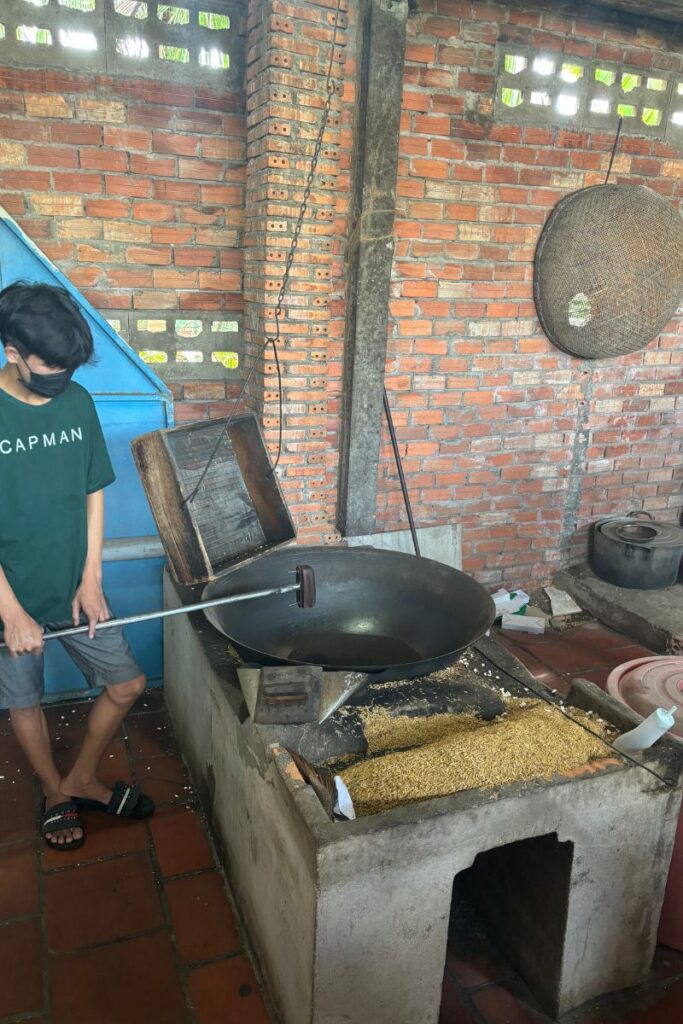
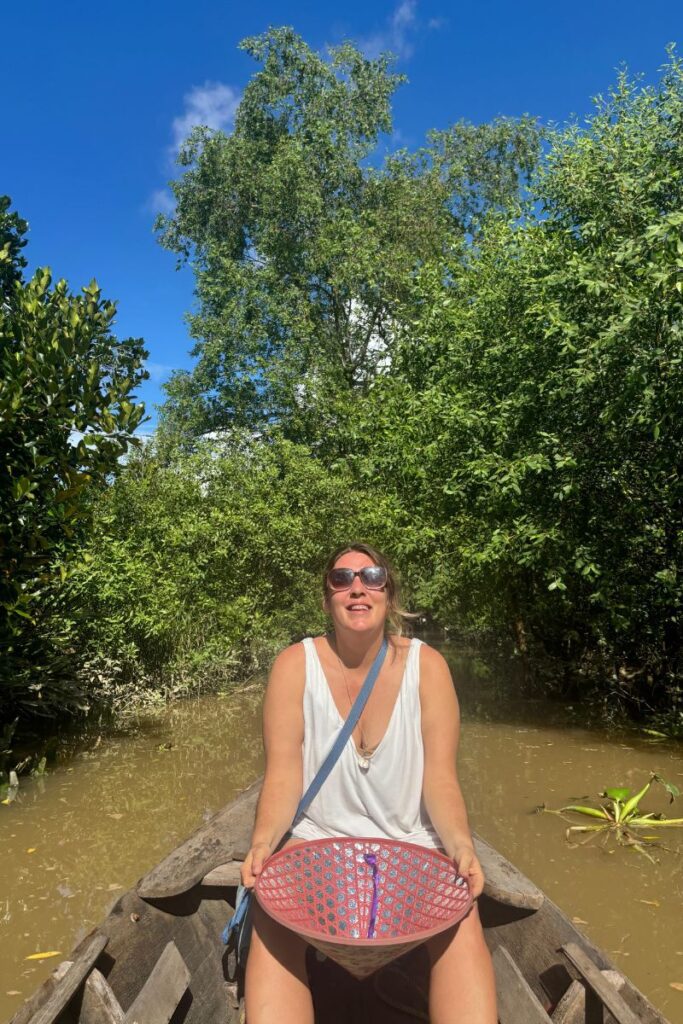
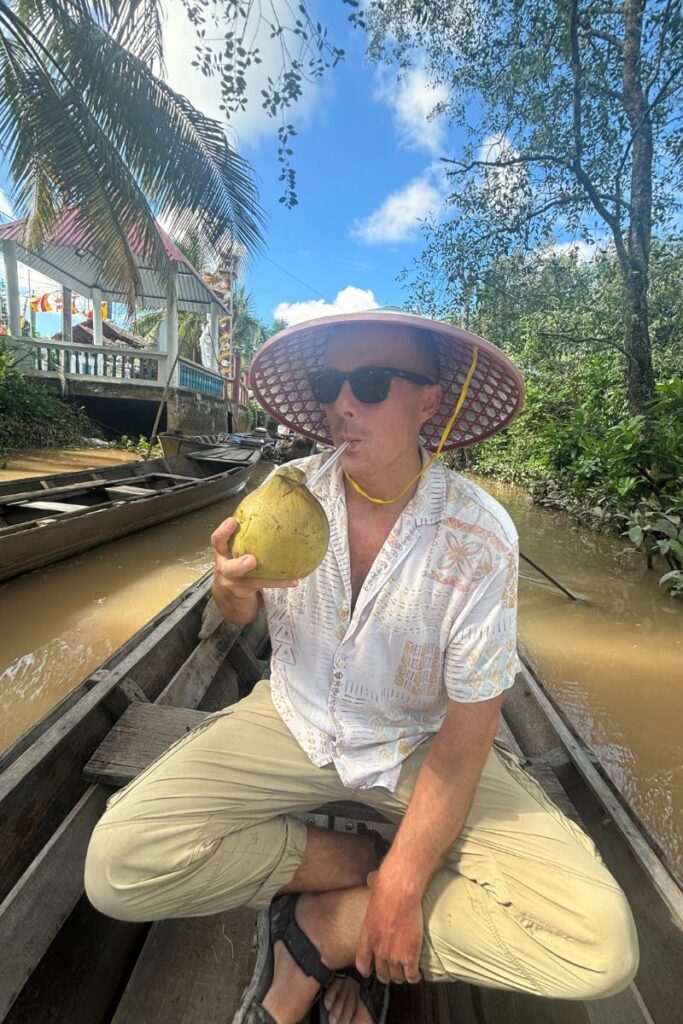
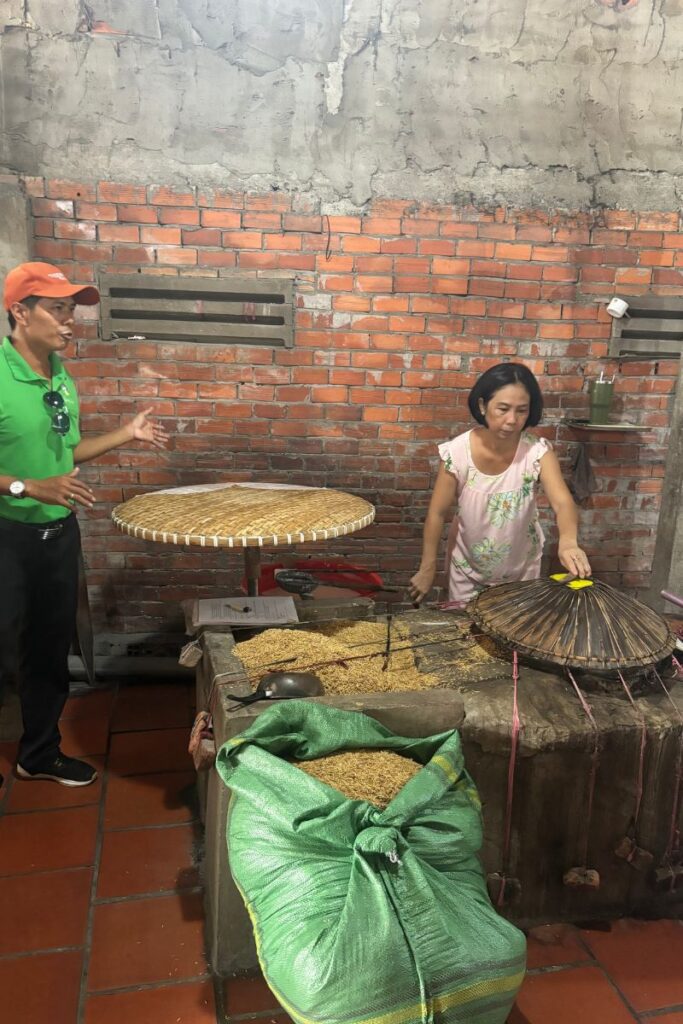
Ben Tre offers a more authentic glimpse into Mekong Delta life than its neighbor My Tho. The province is less touristy but still has excellent infrastructure for visitors. You can explore small cottage industries where locals make coconut candy, rice paper, and traditional rice wine. The narrow canals here are beautiful, lined with water coconut palms, and perfect for sampan boat rides.
One of the highlights is visiting the local handicraft villages, where you can watch artisans weave coconut leaves into roofing material and turn coconut shells into beautiful crafts. The food scene here is also exceptional, with fresh seafood and traditional Mekong Delta dishes available at local markets and riverside restaurants.
5. Chau Doc (Mekong Delta)
Chau Doc sits near the Cambodian border and offers a fascinating blend of Vietnamese, Cham, and Khmer cultures. This riverside city is known for its floating fish farms, vibrant Muslim community, and the sacred Sam Mountain (Nui Sam). It’s one of the most culturally diverse places in the Mekong Delta and serves as a gateway for travelers heading to or from Cambodia.
How to get to Chau Doc
Distance from HCMC: 155 miles (250km) | approximately 6-7 hours
The journey to Chau Doc is longer than other Mekong Delta destinations, making it better suited for a multi-day trip. The most comfortable way to get there is by sleeper bus from HCMC’s Western Bus Station (Google Maps Location Here). These buses typically depart in the evening and arrive early the next morning. FUTA Bus Lines runs several reliable services on this route. You can also check out other companies and routes on 12Go, a popular bus-booking platform in Southeast Asia.
Tours from HCMC to Chau Doc
Chau Doc is near the Cambodian border and is kind of a long haul from HCMC; therefore, you’ll want to join a multi-day tour. This Ho Chi Minh: 3-Day Mekong Delta & Optional Exit to Phnom Penh is a great option to fully immerse yourself in what’s happening on the Mekong River. It includes one night in Chau Doc, a visit to Tra Su Forest, a mangrove forest in An Giang, and lots more action-packed activities.
The tour includes transportation, a boat trip up the Mekong River, all entry fees, an English-speaking tour guide, two breakfasts, two lunches, one dinner, and accommodation.
Why visit Chau Doc
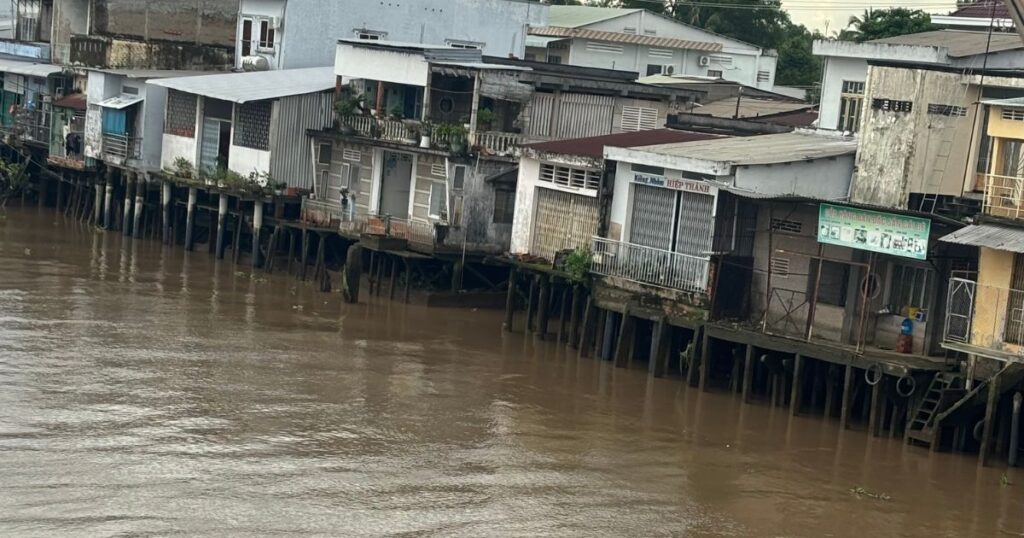
Chau Doc offers an entirely different perspective on the Mekong Delta. The city’s unique cultural mix is evident in its architecture, food, and local life. The floating fish farms are fascinating to visit, and you might spot entire families living in houses built over fish pens where they raise various species of fish and catfish for export.
The nearby Sam Mountain provides panoramic views of the endless delta plains stretching into Cambodia, and its slopes are dotted with dozens of pagodas and temples. The city’s central market is one of the most interesting in the delta, where you can find influences from Cambodia and a strong Muslim presence in the food and goods sold.
6. Phnom Penh, Cambodia
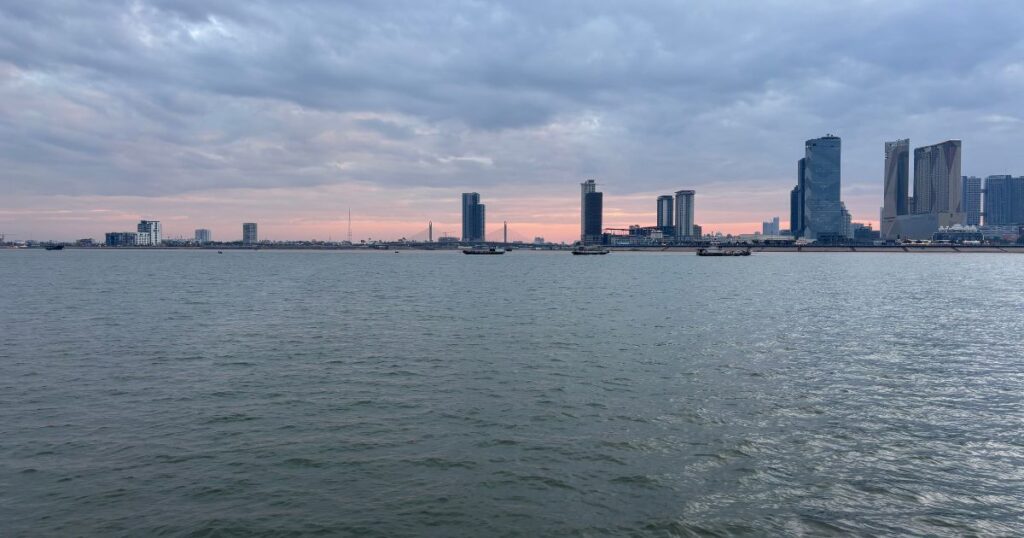
While not technically part of the Mekong Delta, Phnom Penh offers a distinctive urban Mekong River experience. Cambodia’s capital sits at the meeting point of three rivers: the Mekong, the Tonle Sap, and the Bassac. It’s a fascinating place to experience the river’s influence on a major Southeast Asian city.
If you’re in HCMC, you’ll need to do either a 3-4 day trip to Cambodia or a Mekong trip from Phnom Penh if you’re traveling all around Southeast Asia. Most backpackers are traveling the HCMC to Phnom Penh route on their journey, so this might make sense.
How to get to Phnom Penh
The most popular way to reach Phnom Penh from Ho Chi Minh City is by bus, with several companies operating daily services. The journey takes around 6 hours, including the border crossing at Moc Bai/Bavet. Giant Ibis and Mekong Express are two reliable bus companies that offer comfortable service with English-speaking staff to help with immigration procedures.
We’ve done the HCMC-Phnom Penh journey by bus several times, and I highly recommend you read our article, How To Take A Bus From Saigon To Phnom Penh (7 Easy Steps & Useful Tips). The guide breaks down the entire journey, including the companies we used, the timing of everything, and what the process is like at the Vietnam-Cambodia border.

Tours of the Mekong Delta from Phnom Penh
There aren’t tours from HCMC to Phnom Penh to explore the Mekong Delta, but there are day trips from Phnom Penh to more rural parts of the Mekong. If you’re already in Phnom Penh (or planning on going there), check out this Phnom Penh: Mekong Islands & Silk Islands Guided Bike Tour. It’s a unique experience in Cambodia that includes a one-hour sightseeing tour on the Mekong, a visit to a local Lotus Silk Farm, Silk Island, and lunch in Phnom Penh. It’s a good value and a great cultural experience.
Why visit Phnom Penh
While different from the traditional delta experience in Vietnam, Phnom Penh offers its own version of Mekong life. The city’s riverfront (Sisowath Quay) stretches for nearly 2 miles along the Mekong, lined with cafes, restaurants, and parks where locals gather for sunrise exercises and sunset strolls. This vibrant promenade is the heart of the city’s social life, especially in the evening when food vendors set up their stalls and families come out to enjoy the river breeze.
While it may not offer the classic delta scenery of small canals and floating markets, Phnom Penh represents the Mekong’s role as a major urban lifeline in Southeast Asia. It’s a fitting final stop on a Mekong journey, showing how the river adapts from rural delta life to supporting a bustling capital city.
Also, for some, it might just be easier to explore some of the Mekong Delta from Phnom Penh instead of HCMC.
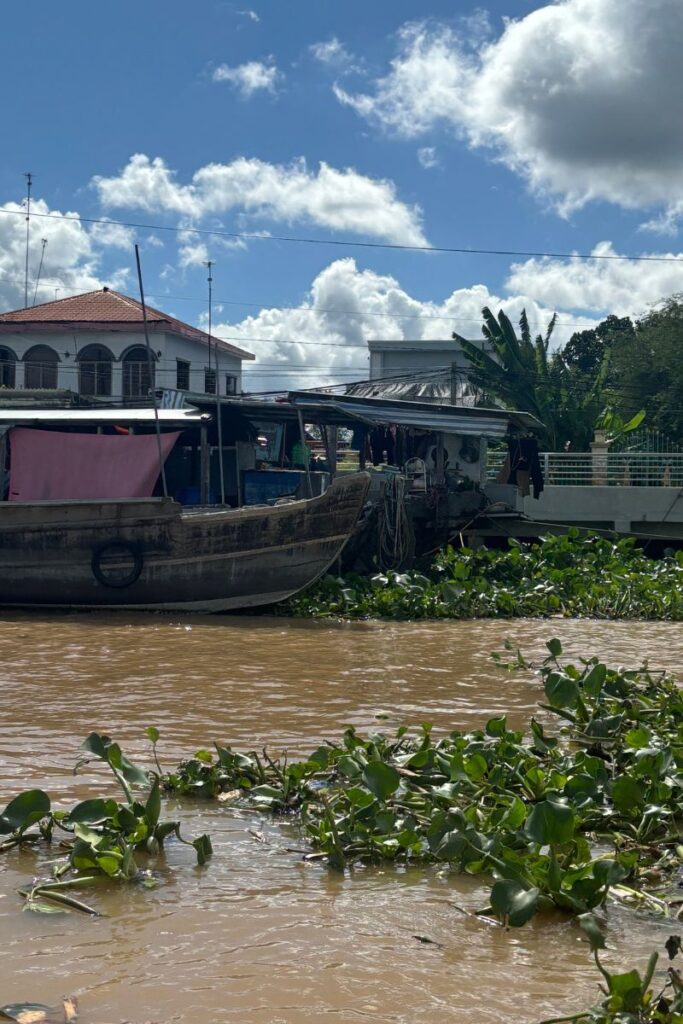
Brief History of the Mekong Delta Vietnam
One of the coolest things about visiting the Mekong Delta is understanding its history and culture. This has always been an incredibly important region and is still closely connected to Vietnamese culture. Here’s a brief explanation of the history of the Mekong Delta:
The Mekong Delta region was inhabited by various peoples long before the Khmer Empire’s influence, including the ancient Óc Eo civilization (part of the kingdom of Funan), which flourished from the 1st to 7th centuries CE. Archaeological evidence shows sophisticated water management systems and trading networks during this period. The Khmer Empire later expanded its control over parts of the delta during its peak (9th-13th centuries), but they weren’t the first inhabitants.
During French colonial rule (1862-1954), the French invested heavily in the delta’s infrastructure, building canals and roads to support rice production and transportation. They developed Saigon as the main trading port for exporting rice from the delta. The French also introduced new agricultural techniques and established large plantations, though these mainly benefited French colonists rather than local farmers.
If you’re visiting Can Tho, I highly recommend checking out the Can Tho Museum. You’ll learn a lot more about the Delta’s history through old pictures and artifacts.
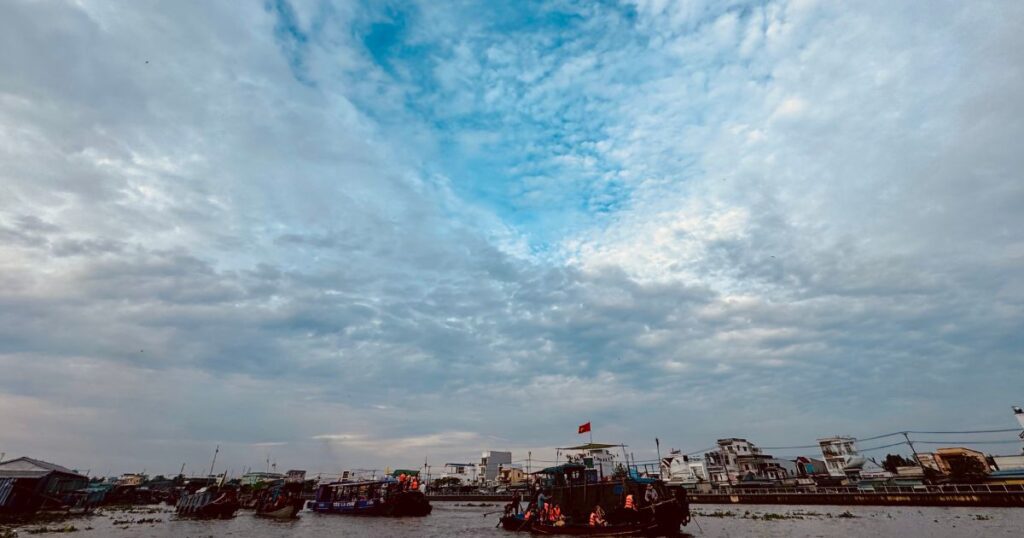
My Favorite Place On The Mekong Delta in Vietnam
We visited the Mekong Delta several times and would highly recommend both Can Tho and Cai Be if visiting from HCMC. Can Tho is more of a city but is also home to two floating markets on the Mekong. And if you have enough time, you can always explore the outskirts of the city for something different. Cai Be is much more laid-back and has charming lodges on the Mekong. Both are good experiences and easy trips from HCMC.
My Tho is also popular, especially for a day trip because it’s close to the city. However, it’s a little more touristy, with slightly less authentic activities.
Have you visited the Mekong? Which town or city do you like the best? Let us know!



Leave a Reply