

I’ve heard many people say that Vietnam is one of the least friendly places in Southeast Asia. A big part of this is the prevalence of scams, as well as the unfriendliness of some locals.
I love Vietnam. I have spent years there and think the culture, landscape, food, and people are like nothing else in the world. But I’ll also say that I’ve been traveling for years, and the ONLY scams I’ve ever fallen for have all been in Vietnam. In fact, I’ve fallen for five pretty famous Vietnam scams.
My goal here is to share the most common scams in Vietnam, so that if you’re traveling there, you can avoid them and not let any of them spoil your trip. I also need to make a point to emphasize that scams are NOT running rampant in Vietnam. Vietnam is a relatively safe place, and Vietnamese, on the whole, are incredible people.
Most people never get scammed when visiting Vietnam. However, it’s still good to be prepared and know what to expect.
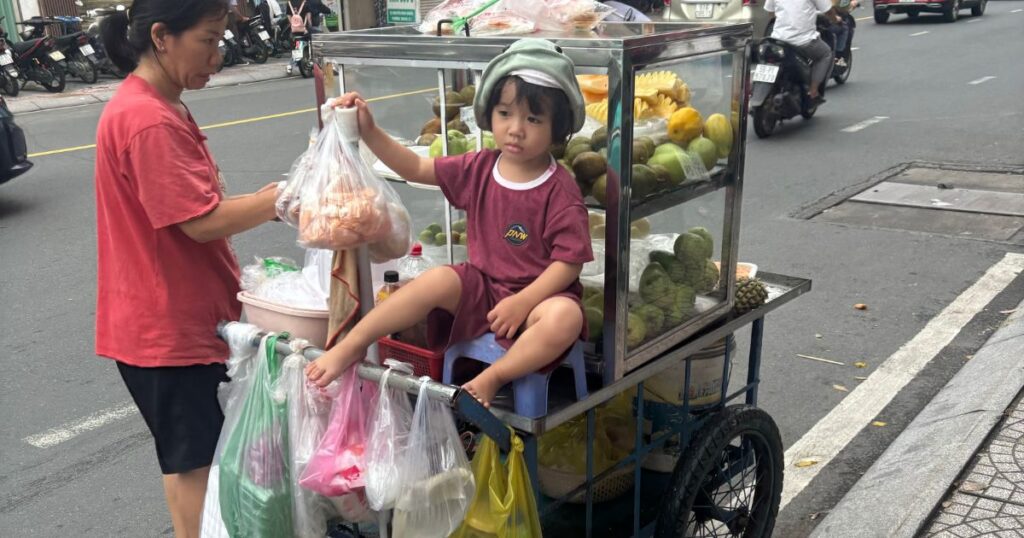
12 Vietnam Scams You’ll Definitely See
Scams are everywhere in Vietnam, especially in the touristy areas. Before visiting HCMC, take a second to familiarize yourself with what to expect, because you’ll likely encounter a handful of these scams.
Don’t worry, though. Vietnam is safe. It’s just good to come prepared.
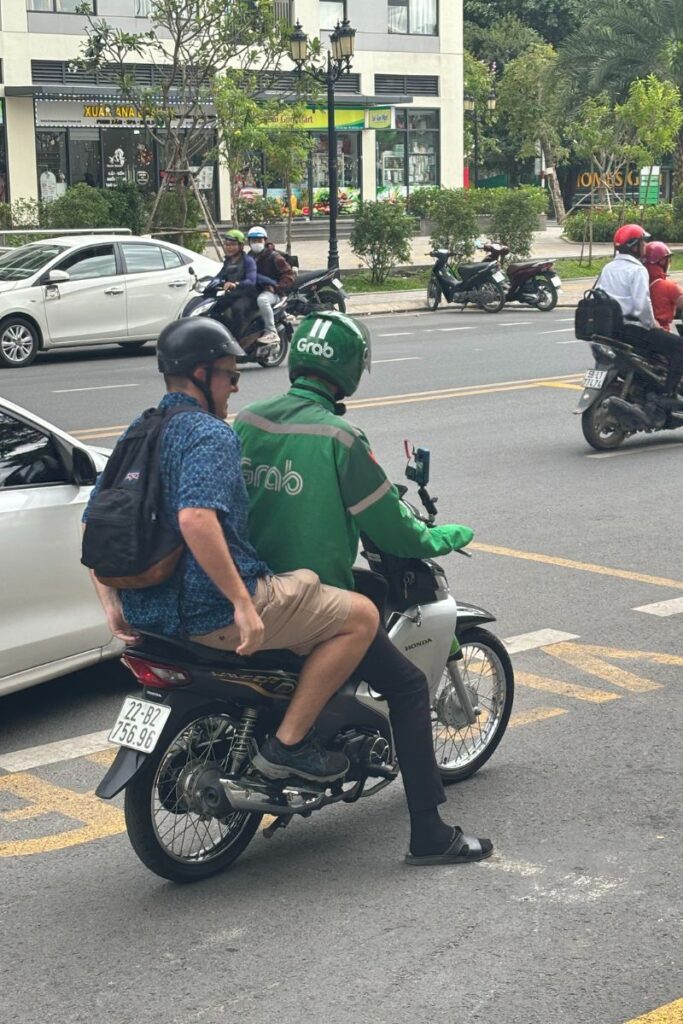
1. Fake Grab driver at the airport
The first scam you’ll encounter is at the airport, and it’s a big one to avoid. Outside the airport, there’s a Grab pickup area where cars pull in to pick you up.
All around the airport exit and the Grab designated area, people dressed in Grab uniforms are using their phones to pull up the Grab app, trying to get people to take rides with them (of course, not through the app).
Unfortunately, I fell for this scam back in 2018, and it was horrifying. I had a long day of travel, was hungover, and my phone wasn’t working at the airport. I’ve flown into HCMC airport many times and didn’t think it would be a problem. I got in the car with one of these guys, we agreed on a price, and we were off.
We pulled out of the airport, and the car I was in pulled over. The driver got out and moved me to a different vehicle, and we continued with another car, the one we had initially, but with a new driver, following us closely. At this point, I was trying to get out of the car, but he wouldn’t let me. I called a Vietnamese friend and spoke to them on speaker, explaining exactly where we were.
The driver did end up taking me home, but he insisted I give him everything I had in my wallet (around $200 USD) and threatened me when I tried to refuse.
It could have been a lot worse, and I learned a valuable lesson about transportation from the airport, so everything’s okay.
How to avoid this scam
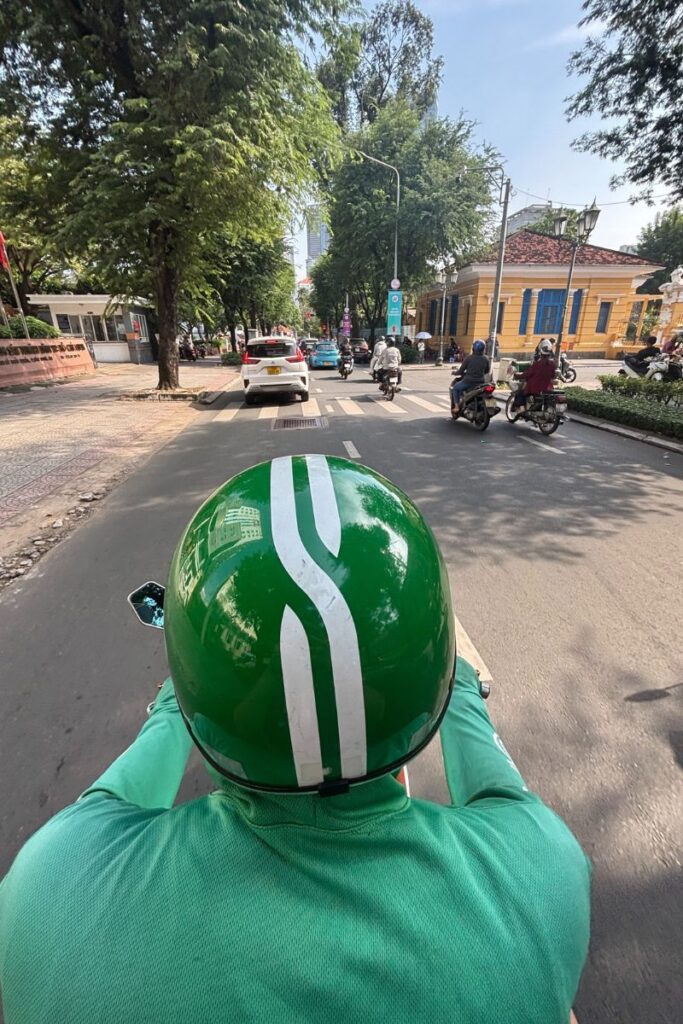
This is one of the easiest scams to avoid in Vietnam. All you have to do is not accept a ride from anyone who’s not your pre-planned driver or from a ridesharing app.
I recommend calling a Grab from the airport. You can connect to the airport WiFi, get a SIM card after you land (there are lots of desks with SIM cards after immigration), or you can preload an e-SIM from an app like Airalo before you land (one of my favorite travel apps, actually). Once you have internet, calling a Grab is a breeze.
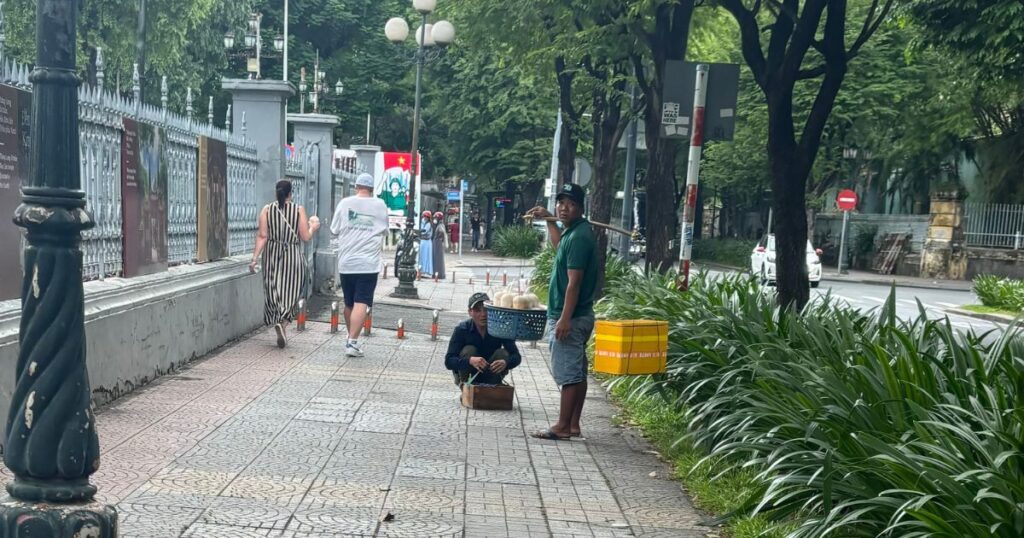
2. Coconut drink seller scam
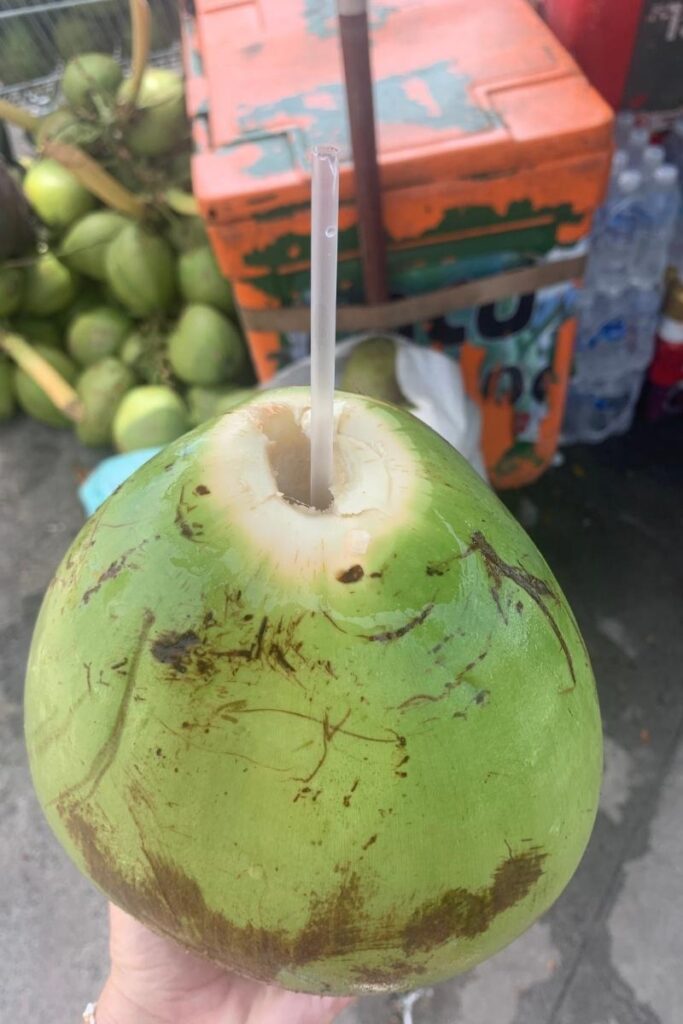
This is another tricky scam. In touristy areas, Vietnamese people walk around with buckets or baskets of fresh coconut water. The baskets are attached to a stick and hang over the person’s shoulder.
The person selling the coconut water will walk up to you, drape the stick on your shoulders so you “look like a local,” and then try to charge you an obscene amount for a coconut.
Conversely, they might just walk up to you, have a friendly chat, ask about your day, and casually hand you a coconut while you’re mid-sentence and insist you pay (a significant amount). Sometimes, they are tricky about you, and you don’t even realize what happened until you’re holding a cold coconut and they’re demanding money.
Unfortunately, I fell for this one, too. The guy was so friendly, and I thought he was asking me to hold his coconut for a minute while he showed me something, so I grabbed it. He then asked for about 150,000 VND (around $6 USD) for two coconuts, which are usually only around $1 USD.
How to avoid this scam
The easiest thing is to avoid letting these friendly coconut vendors get anywhere near you. Don’t make eye contact with them and avoid speaking with them. They don’t have good intentions, so it’s just not worth your time.
If you want a coconut, they are everywhere. They should only cost around $1 USD, and you can buy one from anyone who isn’t actively trying to sell you one (they usually even sell them at 7-Eleven or Family Mart).
3. Shoe cleaning (or fixing) scam
The shoe cleaning and shoe fixing scams are technically two different scams in Vietnam, but they operate in a similar manner.
A shoe polisher might try to clean your shoe. They do so in a super casual way where you think they’re just helping or trying to wipe something off. Then they’ll ask for an unreasonable amount of money.
The shoe fixer scam is a little more aggressive, and unfortunately, I also fell for it. They’ll either lie to you and say your shoe is broken, claim they can make it more comfortable, or break it if you let them near it, and then demand an absurd amount to fix it.
This happened to me for the very first time in Hanoi. I was walking down the road when a guy stopped me to talk. I thought he was just being friendly, so I spoke briefly.
The next thing I knew, he was leaning down and telling me my sandals looked worn down, and he could make them better (mind you, they were simple flip-flops). I was confused because they were fine, but the next thing I knew, he was reaching down, pulling off my flip-flop, and breaking it in front of my eyes.
He then demanded 500,000 VND ($20 USD) to fix it, and I was so flustered that I agreed.
How to avoid this scam
It’s easy; just don’t let a shoe cleaner or leather worker near your shoes (or any of your belongings). I know it’s exciting when you’re traveling and someone wants to make small talk, but unfortunately, if they’re working in tourist areas, they probably don’t have the best intentions.
4. Room (hotel) swap scam
The room (or hotel) swap is another common scam in Vietnam. The premise is that you book a hotel room online, arrive at the hotel, and the host tells you that your room is unavailable, but they need to move you to a better one. They might even have the audacity to demand more money upfront because the new room is more luxurious.
However, the room they move you into is entirely different from the one you booked, almost always worse, and usually in a different building.
I almost fell for this scam once, and I see it everywhere in the cities. I booked a room once in Ho Chi Minh City at the last minute because I was in a hurry.
After booking the room, I noticed some slightly older reviews (at least buried behind five super-positive, more recent reviews) that explained how this scam had happened to them and that the entire property was a scam.
Lucky for me, booking.com has decent customer service. I canceled the room a few minutes after booking and was immediately refunded, so no harm, no foul.
There’s an art to avoiding this scam, and you have to especially cautious if you’re on a budget or booking a room last minute. If you want to learn a little more about it, read How to Find Legit Accommodations in Vietnam (And What to Watch Out For), for more guidance.
How to avoid this scam
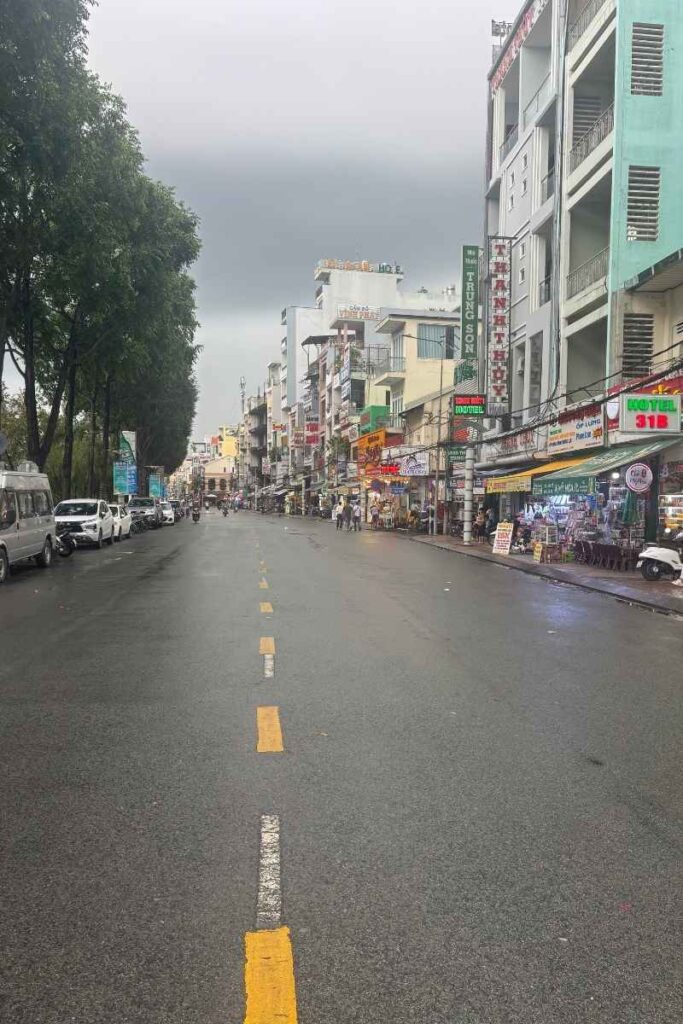
This takes a little more research on your part. Before booking a hotel or apartment, read all the reviews very carefully. Don’t trust reviews that claim to be imported from another platform, especially if the property only has imported reviews. Also, try to spot fake reviews. These are usually overly positive and vague, often written by someone from Vietnam.
So, all it takes is a few extra minutes of researching and reading reviews, and everything should be fine.
5. Getting overcharged scam
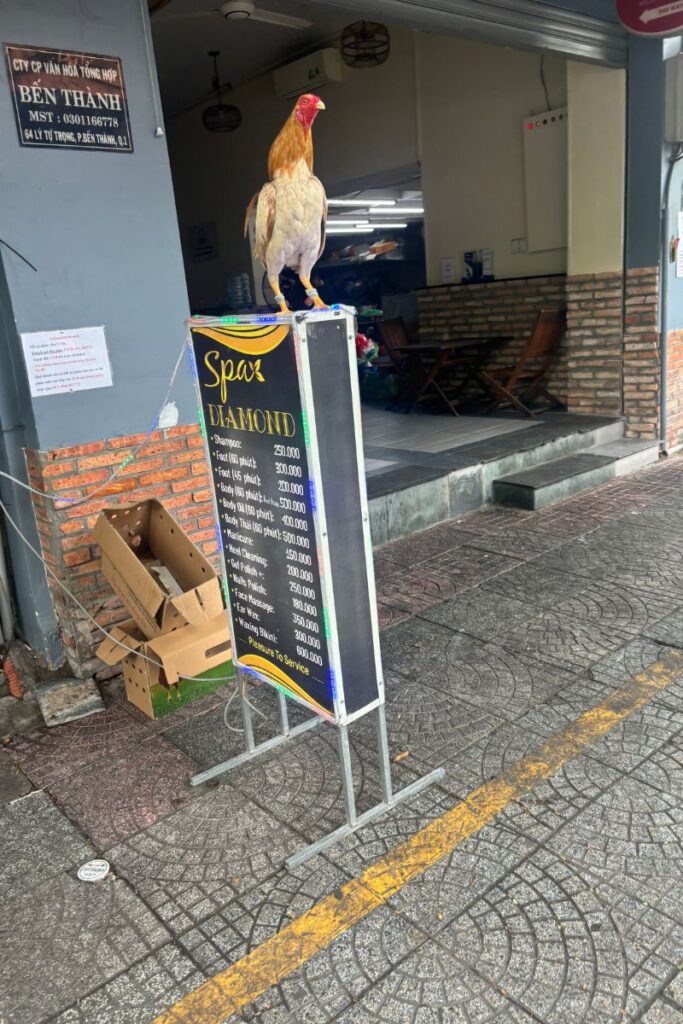
Getting overcharged isn’t so much a single scam as it is a general occurrence for tourists. Merchants and vendors will try to overcharge you. This can happen at a local market, at a bar on Bui Vien, when the person selling bottled water is on the corner, or even at a restaurant. I met someone in my hostel in Hoi An who was charged 500,000 VND ($20 USD) to fix a strap on their backpack— a service that should have cost around $2 USD.
It’s most likely to happen if they think you’re drunk or unfamiliar with the currency (e.g., if you’re fumbling with your money and looking confused, or if you’ve just arrived and seem overwhelmed).
How to avoid this scam
If you’re at a market buying souvenirs or clothing, you can haggle. You should haggle because sellers often charge 500% more than the item is worth.
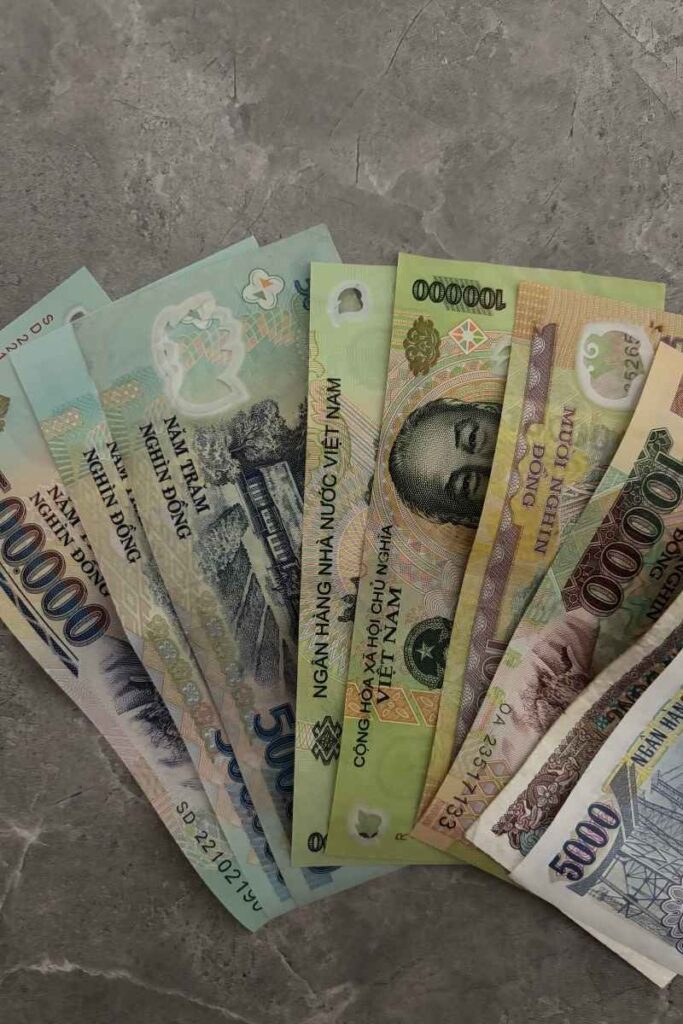
You should also familiarize yourself with the Vietnamese dong, the current exchange rate, and what the currency notes look like before you arrive. That way, when it comes time to pay for something, you know what money you have and have a general idea of values.
6. Getting the wrong change back
On a similar note, it’s not uncommon for a Vietnamese person to give you the wrong change back if they think you’re not paying attention or don’t know the currency well. This is most common among taxi drivers, but it can also happen to restaurant workers, bartenders, and street vendors.
Again, this isn’t so much a scam as it is a local trying to take advantage of you. Personally, I think it’s very frustrating. But remember, not everyone is trying to take advantage of you, and it’s also possible that people make a mistake with the change themselves, so it could be an honest accident.
How to avoid this scam
You should study the Vietnamese dong and currency exchange rates. When you make a purchase, know how much change you should receive. It can be confusing because Vietnamese money is in high denominations (at the time of writing, 25,000 VND = $1 USD), but as long as you have a rough idea, you should be able to catch any mistakes.
7. Selling fake name brand scam
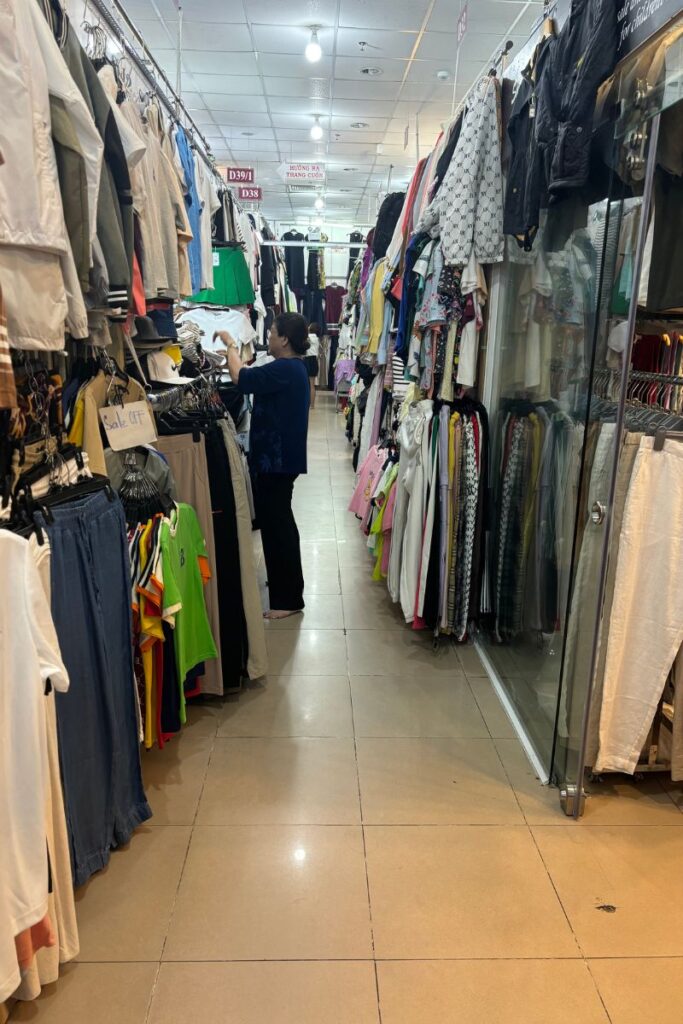
This is a well-known scam, especially in countries with few regulations, and it is prevalent throughout Vietnam. In all markets, you’ll find all the big-name brand products, including the expensive ones. The vendors will tell you it’s real, and they might even look real, but they’re being sold for around $5 USD and are probably fake.
I’ve heard rumors that some of them are real because factories are in Vietnam, and some workers can smuggle some of the products or take defective products. However, if there’s any truth in this, it’s probably not true for most of the name brands you see in the market.
How to avoid this scam
I’m not a big-name brand person, so this one doesn’t bother me that much. The only issue I have with it is that they try to charge a lot more than what the fake is worth by convincing you it’s real.
The best way to avoid this scam is to avoid buying any “name-brand” products or similar items, and haggle as much as possible. There’s nothing wrong with buying clothes, a backpack, sunglasses, or jewelry you want at the market. But if the person’s telling you the sunglasses are real Ray-Bans, they will try to get more out of you. Don’t fall for it and pay what you would pay for a generic pair you like.
8. The water buffalo scam
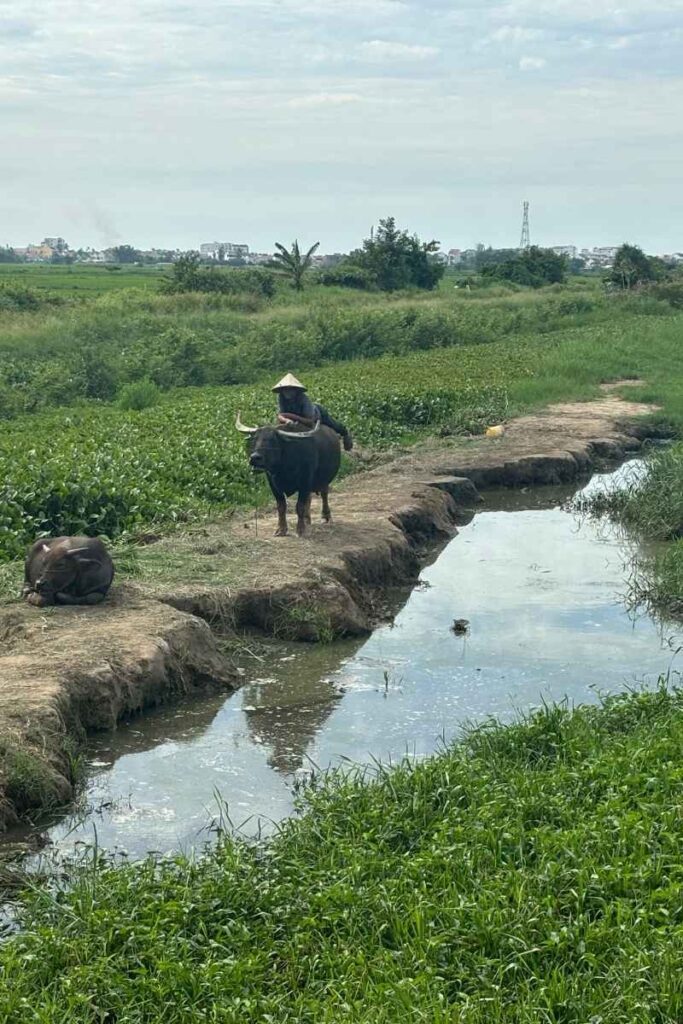
Again, another scam I fell for. This scam is most common in Hoi An or other rural parts of the country, involving water buffalo.
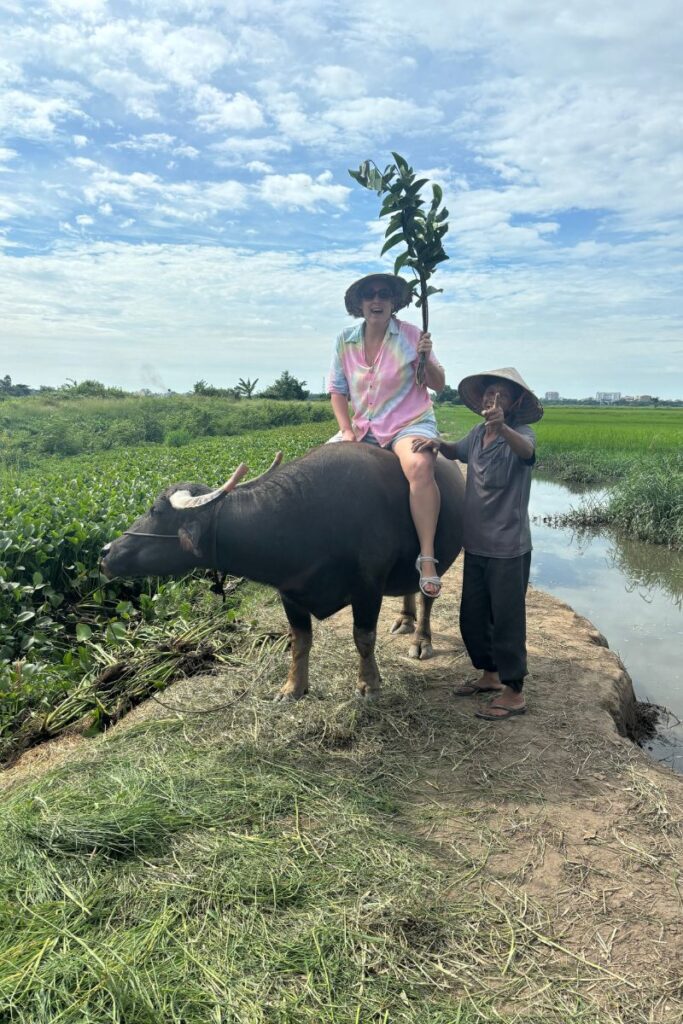
Basically, there will be a water buffalo relaxing in the rice fields with a worker making funny poses or taking a nap on its back. If you stop to take a photo or watch for a moment, they’ll pull you over and convince you to get on the water buffalo’s back. Once on the back, they’ll take many pictures with your phone, laugh, and talk with you a little bit.
Once you get down, they’ll demand a lot of money for the “ride” and photos.
It all happens fast. When I fell for it, I was riding a bicycle past the field and just wanted a picture of the guy on the water buffalo because he was lying down and making really fun poses. It seemed like a great photo shoot. But he was ready, and before I knew it, I was on the buffalo’s back.
When I did it, they asked for 1,000,000 VND ($40 USD). We ended up joking around a little, and I gave him 200,000 VND ($7.50) for the trouble. As I rode off, I saw he had already gotten another tourist.
How to avoid this scam
There are buffalo all over the country, and a large majority of them are working buffalo. You can stop and take as many photos of them and the beautiful Vietnamese landscape as you’d like. But if you’re in a touristy area and the setup looks like a trap, it probably is. There’s also really no need to ride on a water buffalo.
It was fun, but I felt uncomfortable and was worried it was bad for the water buffalo, so just admire and move on. And that way, you don’t get heckled into overpaying for something so silly.
9. Bag snatching while walking
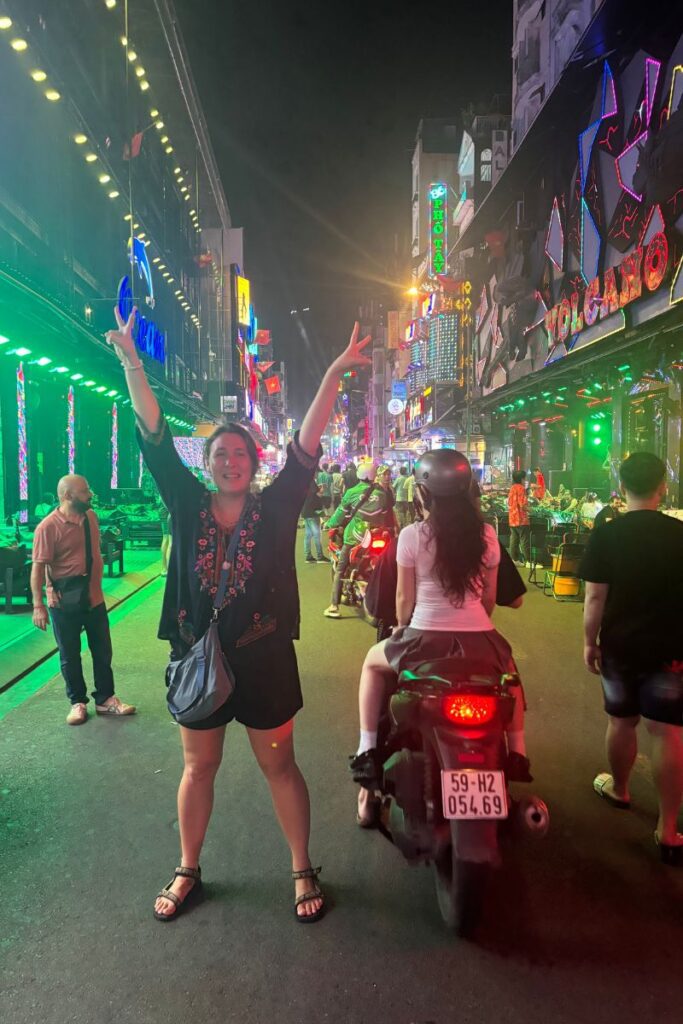
Theft, pickpocketing, and robbery are prevalent all over the world; this is not unique to Vietnam. However, I think the Vietnamese have an advantage because almost everyone rides a motorbike.
It’s easy for someone on a motorbike to roll up to you while walking, grab your bag or phone, and zip off. It’s never happened to me, but I’ve seen it happen to someone I was with on Bui Vien, and it stinks when it does.
How to avoid this scam
This isn’t a scam; fortunately, it’s very avoidable. If you’re wearing a purse, make sure it’s on the opposite side of your body so it’s not an easy target. If you’re walking with your phone out, hold onto it tightly and stay away from the road.
If you’re traveling with a purse, I highly recommend traveling with a cross-body purse that zips up or closes. These are much harder to grab and, honestly, very convenient for backpacking.
If you want to know more, make sure to read our other article, Is Ho Chi Minh City Safe? – 11 Tips You Need To Know, for more information.
10. Taxi scams
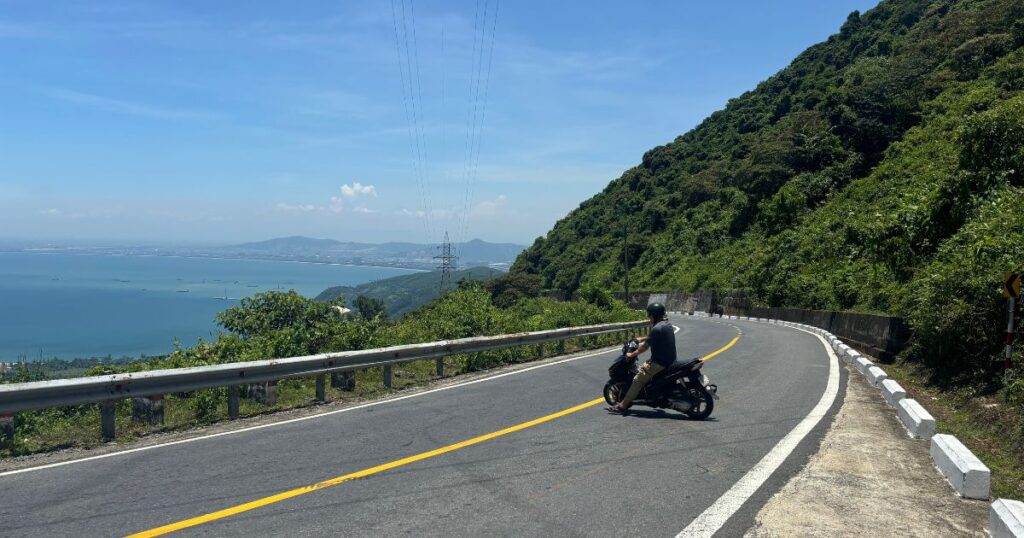
I don’t think a single taxi scam was invented in Vietnam, so this is old news. However, it’s still super common. There are numerous ways to get scammed by taxi drivers in Vietnam. Usually, it’s a broken taxi meter, so they’ll just tell you a price for the trip that’s always higher than the meter. Other times, the meter might work, but they’ll take you in the most random roundabout way possible.
How to avoid this scam
I hate to say it, because I don’t want to be actively involved in putting taxi drivers out of business, but I recommend just not taking taxis. Grab and other rideshare apps (Be and Xanh SM are also popular options) are easy to use, affordable, and are great ways to get around HCMC.
With all rideshare apps, you can choose between a motorbike or a car taxi, and you can follow your ride on the app (they work similarly to Uber).
Until taxi drivers stop trying to overcharge and cause other issues, it’s best to stay away from them. However, I think there are very few taxis in Vietnam these days. I don’t see many outside of the airport.
11. Bar girls scam
I’ve never been caught up in a bar girl scam, but I’ve heard dozens of stories from friends and other backpackers; it’s worth bringing up.
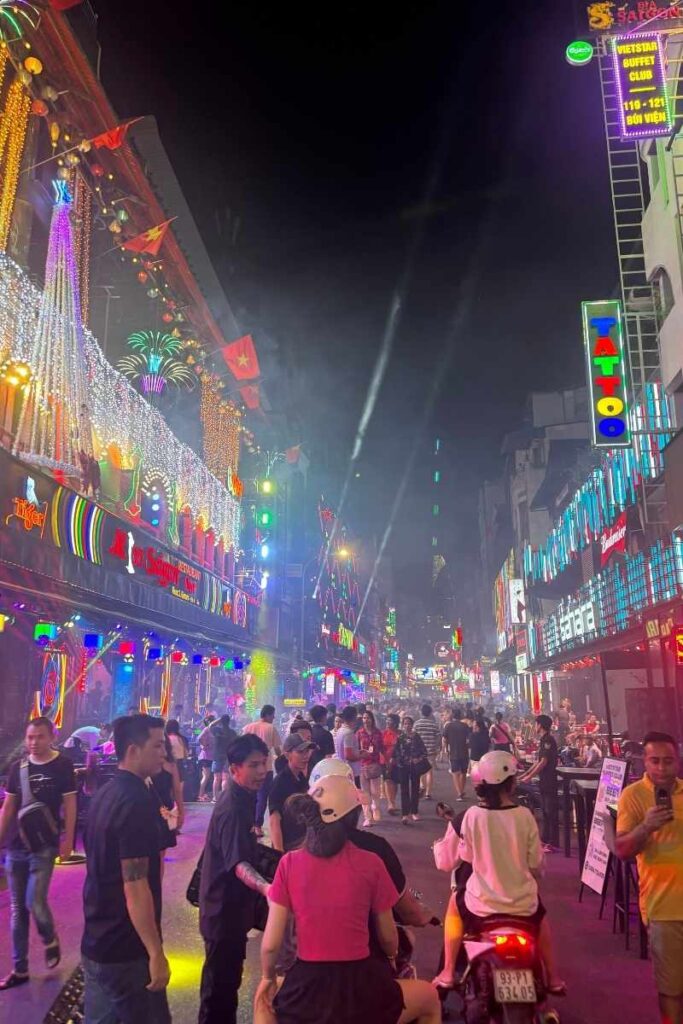
In Southeast Asia, there is a “bar girl” culture in particularly touristy areas. You’ll hear about it the most in Thailand and Bali, Indonesia, but it’s also a thing in Ho Chi Minh City. Basically, younger girls work at expensive bars, and their job is to attract foreign men and get them to spend a lot of money.
Some of them will get super friendly with a traveler, so friendly that the guy is convinced she’s already in love (she might even say she is, honestly). However, she intends to either get the guy to spend a lot of money at the bar (and they earn a commission on the spending) or to date for money.
Of course, this isn’t the case for everyone. Some people fall in love, start dating, or hit it off right away. But I’ve honestly heard things like, “I thought she loved me, but I stopped giving her money, and she ghosted me,” or “She gave me so much attention, I knew she was into me, but when I told her I had to leave the bar she wasn’t interested in me at all” more often than I’ve seen genuine relationships come to fruition with someone working at a tourist/expat bar.
How to avoid this scam
I’m not here to tell you how to date (or hook up), so do as you wish. Just be aware of potential ulterior motives and do whatever you like. I’m not going into too much detail here because it’s not my place.
12. ATM skimming scam
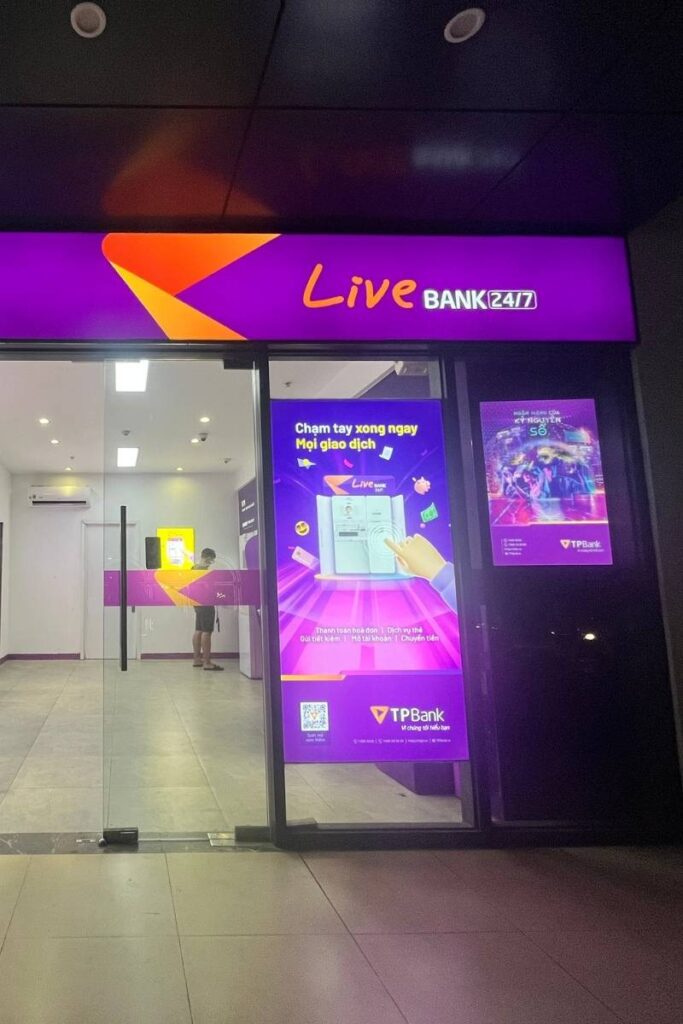
This is potentially one of the most dangerous scams in Vietnam, and it can ruin a trip. It’s also not only in Vietnam; it’s all over the world, but I’ve heard more stories of this happening in popular backpacking areas than anywhere else.
Someone puts a skimmer on an ATM. You can’t easily spot it, and once you use the ATM, it will read your card information and pass it on to whoever set it up. They’ll then have total access to your account. I’ve heard of this happening to tons of backpackers.
Some contraptions actually “eat” the money you try to withdraw, so it’s taken out of your bank, but the machine never gives it to you (I haven’t met anyone with this has happened, too, though I have only been wanted about it).
How to avoid this scam
Just be smart about the ATM you use. If it looks sketchy, don’t risk it. I never use ATMs on the street and avoid those in the city center or tourist areas. I stick to ATMs inside actual banks with security guards and cameras. If I stay somewhere for a long time, I find a safe ATM with a reasonable withdrawal fee and stick to it.
You can also read reviews of an ATM on Google Maps. I looked on Google Maps for the nearest ATM, read the reviews, and saw several recent reviews stating that their card had been skimmed at that ATM. Obviously, I skipped that ATM after reading the reviews. Reviews aren’t foolproof, but they’re another safety measure to consider.
My Recommendations For How To Avoid Getting Scammed In Vietnam
Honestly, I think the scams in Vietnam are the most frustrating thing about the country. I wish they didn’t exist, but alas, they do. We probably won’t get rid of them anytime soon, so the best thing we can do is be prepared and try to avoid getting scammed as much as possible.
Vietnam is not the easiest place to backpack, especially if it’s your first time, because it can be a bit chaotic. Make things easier for yourself by paying attention to all these red flags and doing what you can to avoid these scams in Vietnam. You might not see any of them, and if you’re prepared, you won’t fall for any that you do see.
I know I’m not one to talk because I’ve fallen for half the scams here over the years, but there’s my two cents. I hope it helps.
Now that I’ve shared all my embarrassing stories about getting scammed, have you ever been scammed? Feel free to share your experiences with us. We love hearing travel stories.




Leave a Reply