

Is Ho Chi Minh City safe?
It’s a question many travelers have asked us since we moved here.
The simple answer is yes, Ho Chi Minh City is safe. However, there are a few nuances you may want to understand so you can fully enjoy the city, which is often called Saigon.
We’ve spent over a year (almost 2) exploring the bustling streets, vibrant alleyways, and quaint neighborhoods that dot this booming metropolis’s suburban landscape.
After chatting with locals, trading “war stories” with expats, and generally soaking up all the “The Pearl of The Far East” vibes, we’ve learned a thing or two about avoiding any potential problems and getting the most out of your time here.
Now, we’re ready to share our top 11 Ho Chi Minh City safety tips, which you can use to stay safe and relish the vibrant culture of Vietnam’s most cosmopolitan city.
But before we do that, let’s discuss the hard data to determine just how safe is Saigon?
Ho Chi Minh City Safety Statistics
So, how safe is Ho Chi Minh City exactly?
According to 2024 data from Numbeo, Ho Chi Minh City’s safety index is 48.3, indicating a “moderate” level of danger.
For reference, this suggests that Ho Chi Minh City is slightly safer than cities like Minsk, Belarus, and Dallas, Texas, USA, and somewhat less safe than cities like Algiers, Algeria, and Cebu, Philippines. Other cities in the same range as Ho Chi Minh include Turin, Italy, Milan, Italy, and Barcelona, Spain.
Ho Chi Minh City’s safety index is substantially lower than that of Vietnam’s capital, Hanoi, which has a robust 65.8 score. This is likely because concerns about “petty” crimes, usually theft, are higher in Ho Chi Minh City than in Hanoi and other parts of Vietnam.
That said, the same data source indicates that walking around alone during the daytime in Ho Chi Minh City is highly safe, and the likelihood of facing violence due to skin color, ethnic origin, gender, or religion is very low.
All that is to say, Ho Chi Minh City is a moderately safe city by world standards.
However, it’s likely slightly more dangerous than other areas in Vietnam, which is, by most metrics, an extremely safe country overall. It earned a 2024 Global Peace Index score of 1.802, ranking just behind Sweden and Greece and just ahead of Albania and Taiwan. It also received better safety marks than its regional counterparts, Thailand, Laos, and Cambodia.
So, how can you stay safe in Ho Chi Minh City?
Let’s break it down.
Ho Chi Minh City Safety Tips

So, you’re all set to visit Ho Chi Minh City, Vietnam?
Here are 11 safety tips to help you safely savor Saigon’s sizzling scene!
(And yes, you can call it Saigon! Many locals do!)
1. Sidestep Airport Taxi Scammers
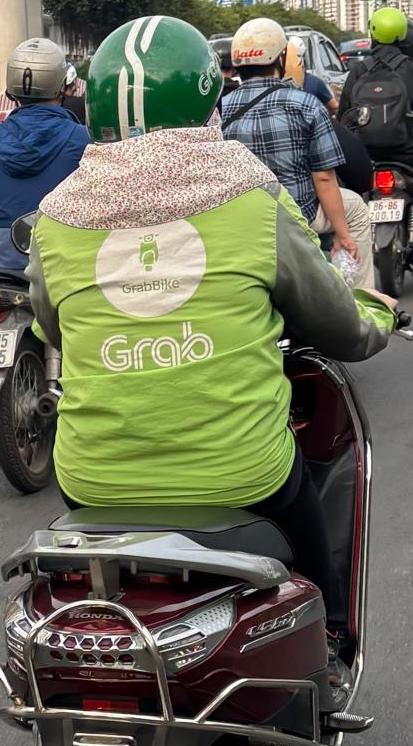
Unfortunately, far too many Saigon visitors fall victim to a common but deceptive airport scam. The good news is that it’s easily avoidable with a bit of intel.
So, what is this scam?
It works like this…
Imposter ride-share drivers congregate around the arrivals area at Saigon’s Tan Son Nhat International Airport.
They appear in a Grab, Be, or other ride-share app uniform consisting of a jacket and sometimes a helmet bearing the logos of those reputable companies.
So, on the surface, they look legit. But we assure you they aren’t!
These guys can be aggressive. They will approach and pester you, asking, “Where are you going? Where are you going?!”
Don’t give them the time of day. A firm “no thank you” and avoiding eye contact does the trick.
Sadly, these unsavory folks are looking to overcharge and, in some cases, even rob foreigners who have little knowledge of local ride-share practices.
Just say, “No!”
Download the Grab, Be, or Xanh SM app and book your ride through them. These are all reputable companies who will take care of you and are useful for getting around HCMC in general.
After booking your ride, go to the car parking area across the street from the terminal’s exit doors. Ride-share cars pick you up there. Double-check to make sure the license plate of your ride-share car matches the license plate you see on the app!
As an added note, a 10,000 VND (0.4 USD) fee is automatically added to your bill when exiting Tan Son Nhat, as all cars leaving the airport must pay this toll.
If you have cash, use it for your ride-share. It will be cheaper! Most Vietnamese ride-share apps add fees, albeit small ones, for international debit or credit cards.
To learn more about the scams we fell for and others we heard about in Vietnam, check out our in-depth rundown of 12 common scams in Vietnam (and how you can avoid them).
2. Keep Your Bag & Phone Away From The Road
While Ho Chi Minh City is a safe place by most metrics, petty crime is somewhat regular.
And in many cases, foreign visitors are prime targets.
An everyday offense that affects tourists is one perpetrated by bag and phone snatchers who commit heinous thefts from aboard motorbikes.
It happens like this…
A tourist may be rummaging through their bag or looking at their phone within arm’s length of the street when a speeding motorbike passenger forcefully rips away the bag, phone, or both and flies away.
It happens in a flash and leaves you with no time to react. We’ve seen it occur once or twice (around Saigon’s infamous Đường Bùi Viện, aka Bui Vien Street) and met multiple people who have had their trips ruined by this awful experience.
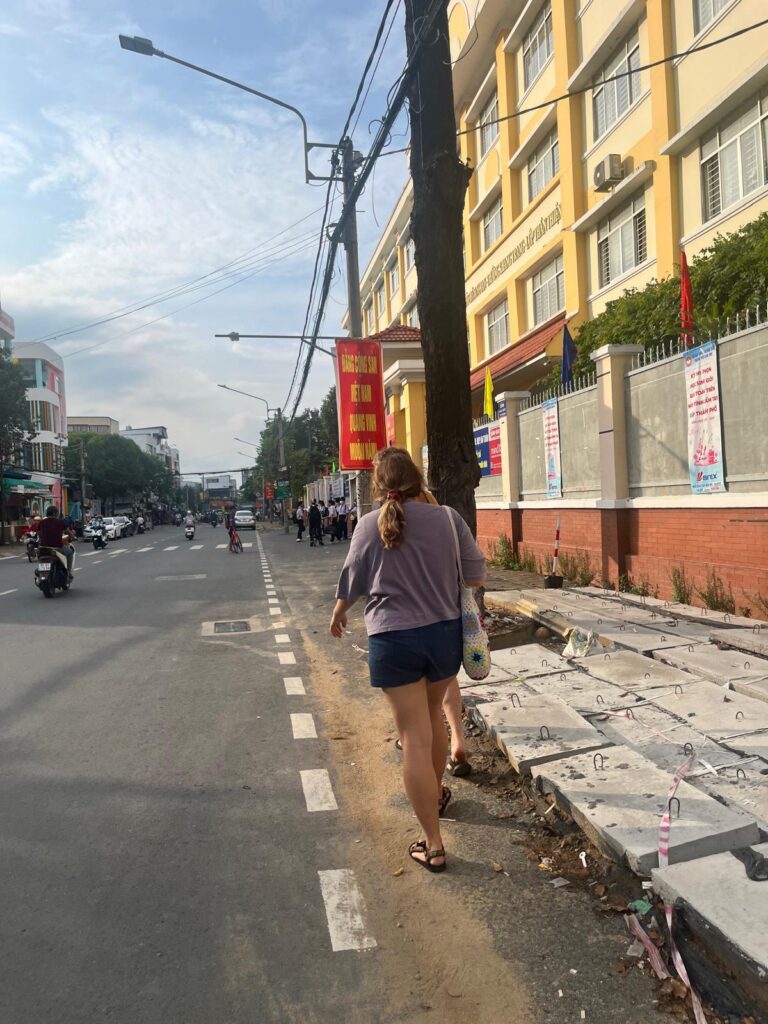
The best thing to do is to keep your bag on the inside half of your body (away from the street) or firmly strapped to you and your phone securely tucked away.
Ideally, you’ll only want to use your phone when you’re a good distance from the constant flow of Saigon motorbike traffic.
And remember, it’s not uncommon to witness motorbikes streaming down Ho Chi Minh’s sidewalks at peak rush hour. So be careful there, too!
3. Cross The Street With Confidence

Crossing Saigon’s, for lack of a better word, “crazy” streets can sometimes be intimidating.
The good news is that most tourist zones, such as District 1, are equipped with traffic lights and crosswalks. You can simply wait for the light to change and the “little green man” to appear before traversing the zebra crossing.
However, outside those areas, many visitors are taken aback by the endless swarms of motorbikes zooming down the tree-lined boulevards of Ho Chi Minh City.
You’ll quickly discover that it’s sink or swim as far as road crossings go here.
That’s why we recommend crossing with confidence!
Now, this may seem counterintuitive, but…
Simply step out and look in the direction of oncoming traffic. Try to make eye contact with the drivers. And for good measure, raise a hand in the air so that drivers definitely see you.
Then walk.
Take it slow. One step at a time!
And DO NOT RUN!
Believe it or not, the motorbike drivers are used to this. They will actually move to avoid you.
The “hive mentality” is real here in lovey Saigon!
If all else fails, follow a local across! They will show you the way!
4. Use ATMs Inside Banks

Sure, the random ATM on the side of the street can be tempting when you’re short on cash, but we recommend using bank ATMs only.
Why?
Bank ATMs are routinely checked for skimming devices or other illegal card capture mechanisms, typically provide enhanced security features, and offer staff who are nearby to help you should anything go wrong, like the dreaded card being eaten by the machine.
A Street ATM, on the other hand, offers none of that. They should be avoided whenever possible!
If you can’t find a bank ATM, bank machines inside shopping malls and hotels are the next best thing. They’re also generally secure and semi-regularly inspected.
For added safety, quickly examine any ATM before you use it. Be sure to check the slot where you put your card to ensure it hasn’t been tampered with.
Then, cover the keypad with your free hand (so it’s not visible from above) while typing in your PIN code with your other hand. Lastly, just be vigilant of who’s around you or may be watching you.
It may all sound a bit neurotic, but it works!
Nobody wants to have their bank card compromised while traveling abroad. Believe us, it’s a huge bummer!
5. Be Aware Of Pickpockets
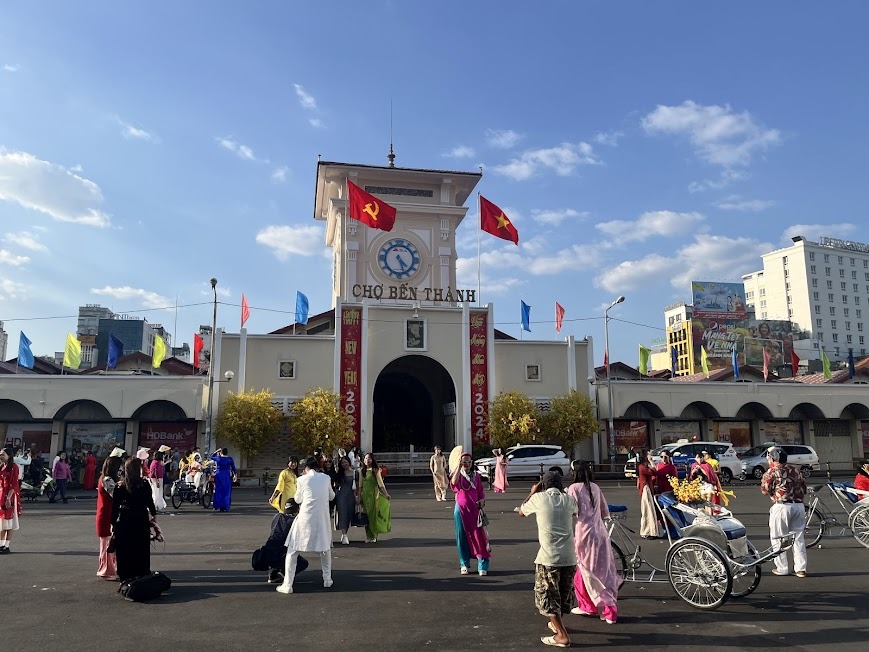
When friends ask, “Is Saigon safe?” We say yes, but like many places on this planet, you have to be aware of pickpockets, especially in tourist zones.
Ben Thanh Market, Bui Vien Street, and Nguyen Hue Street are the regular stomping grounds of these pickpockets, who usually target foreigners and merrymakers simply trying to enjoy a holiday in Southeast Asia.
What can you do to protect yourself?
Keep your cash and important documents securely stored in a money belt or “fanny pack.” Wear pants with zippered pockets. Stay vigilant when you’re in close quarters.
And always remember! Pickpockets like to use diversionary tactics and even work in teams!
One may somehow distract you through a simple conversation or even by intentionally spilling a drink on you (they seriously do that!). At the same time, another may reach into your pocket and take whatever they please.
So, if you’re approached by an overly chatty stranger, especially in a tourist area, and you feel something is off, it probably is!
Trust your instincts!
6. Stick To Bottled Water (Not Tap)
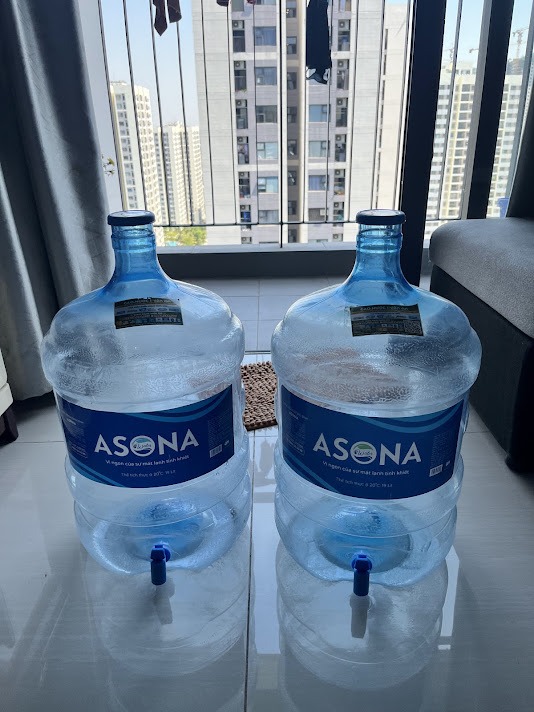
The summer months in Saigon can be unbearably hot and humid! Imagine walking into a steam room that you can’t escape. It’s something like that.
With this comes the need to consume copious amounts of water.
And though it may sometimes seem tempting to fill up your water bottle at the tap, we implore you not to!
Even if carrying a filtration system, you’re better off not drinking H2O from the sink.
Over 90% of Saigon’s tap water is sourced from the Dong Nai and Saigon Rivers, which, unfortunately, are polluted by industrial activity, agricultural runoff, and the ever-expanding creep of urbanization.
Stick to bottled water for drinking and even really for cooking.
We brush our teeth with tap water; however, some long-time expats recommend boiling water before brushing or simply performing your oral hygiene routine with bottled water.
Generally speaking, consuming ice from reputable restaurants is fine. Of course, we can’t vouch for all restaurants, so it may be best to exercise caution in some instances, especially if you have a sensitive stomach.
7. Protect Yourself From Air Pollution
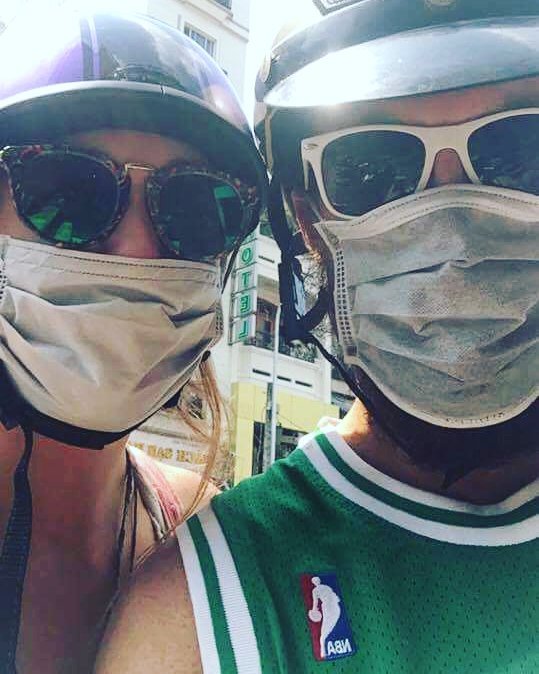
Persistent air pollution has become a big issue in Ho Chi Minh City.
Due to a mix of industrialization, motorbike traffic, rubbish burning, a booming construction industry, and other contributing factors, the city’s skies are regularly marred by a thick layer of smog.
This can make life difficult for your lungs.
We recommend wearing a mask, preferably a high-quality mask like an N95, when you’re out and about.
It’s also helpful to use an air quality report app like AirVisual, which details precise air quality measures and fluctuations.
If you have chronic respiratory issues, it may be best to ask your host, hostel, or hotel if they could provide you with an air purifier in your lodging.
Keeping your windows closed, avoiding high-traffic areas, and staying hydrated should also help.
Air pollution tends to be at its worst in the dry season (December – April), while the rainy season (May – November) offers some reprieve.
8. Know Where To Access Good Medical Care
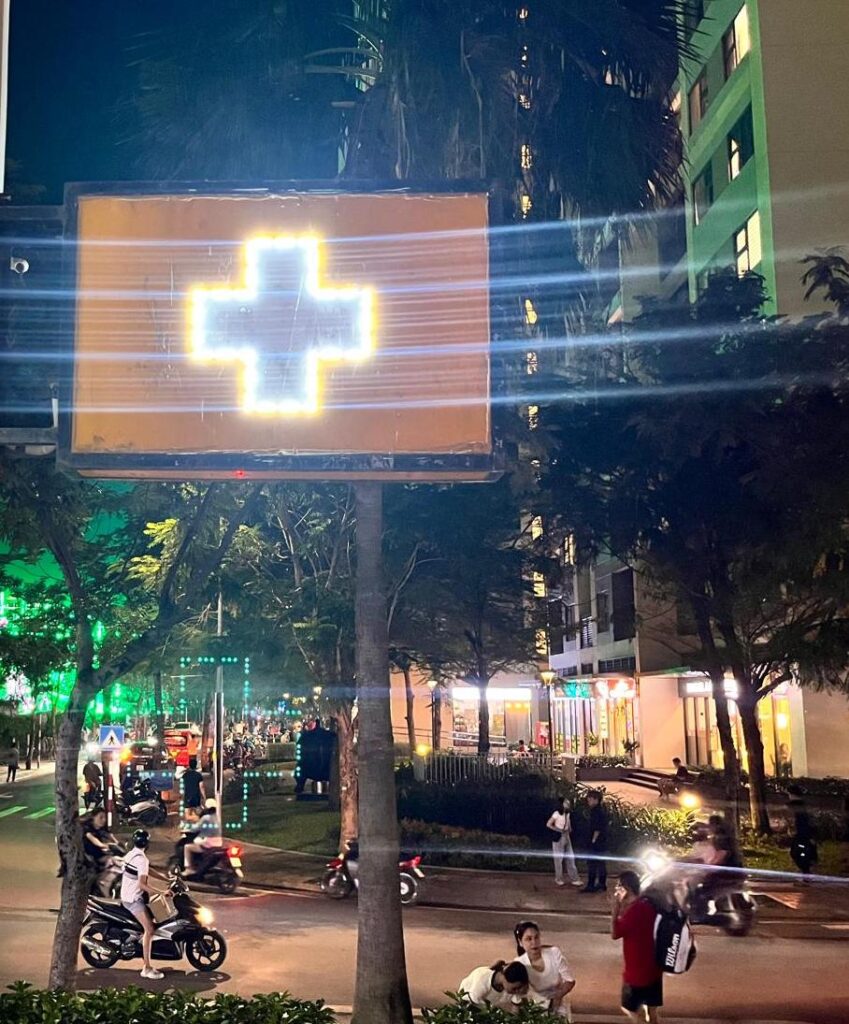
Medical care in Ho Chi Minh City ranges from excellent and affordable to not-so-excellent and overpriced.
That’s why it’s good to know where to go should unforeseen medical issues or injuries arise.
For the best care, we’d recommend one of:
- FV Hospital
- Cho Ray Hospital
- Vinmec Central Park International Hospital
- Columbia Asia International Hospital
These hospitals offer world-class care on par with any in Southeast Asia. They provide state-of-the-art facilities, highly trained doctors, fully equipped pharmacies, 24/7 emergency rooms, and typically multilingual services.
We’ve only had personal experience with FV Hospital. Their care is world-class. The building is modern, clean, and spacious. The employees are professional and caring. It’s where I’d go in an emergency.
That said, FV has earned a reputation for being more expensive than most Ho Chi Minh City hospitals. But you do get what you pay for (in our experience).
We should note that we have heard the other hospitals listed here are good, but we don’t have first-hand experience with them.
However, you’ll likely be OK with any of these options. Medical care has improved significantly in Vietnam in recent years and continues to advance as the country’s economy thrives.
9. Plan For Volatile Weather Conditions
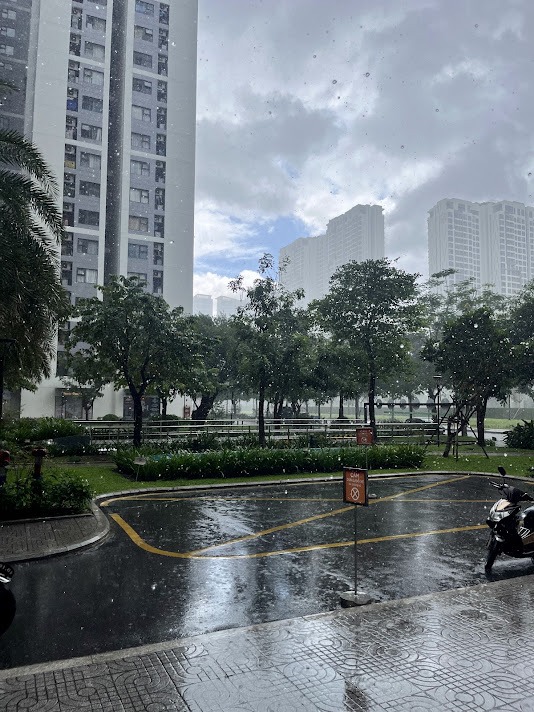
As you may know, Ho Chi Minh City has a tropical climate. It’s usually hot, with high temperatures ranging from 31.7-35°C (89-95°F) and lows from 21.7-26.1°C (71-79°F).
March, April, and May are the hottest months of the year and mark the shift from dry to the rainy season, which brings the heaviest rainfall from May to November.
During the rainy season, aka the monsoon season, fierce rainstorms occur nearly daily, usually in the late afternoon or early evening.
These intense rainfalls can come out of nowhere and leave you drenched if you’re unprepared. In some parts of Saigon, street flooding is also a common occurrence.
For that reason, it’s best to carry an umbrella or poncho and perhaps a spare pair of shoes with you when you’re out and about between May and November.
Pro Tip: There are also plenty of cafes you can pop into to wait out the storm when you notice the skies begin darkening. Vietnam has a fantastic cafe culture!
The rest of the year remains pretty dry, and most days are sunny. But remember, at just under 11 degrees north of the equator, the sun is no joke here. So, it’s best to keep sunscreen or sun cream and some form of covering, such as a hat, on hand.
And stay hydrated! The tropical climate can dehydrate you quickly.
10. Keep Emergency Service Details On Hand
My old man always told me, “Plan for the best, but prepare for the worst.” This advice rings especially true for foreign travel.
That’s why it’s a good idea to keep emergency service details on hand whenever you’re adventuring in a distant land.
In Vietnam, it’s worth keeping contacts such as:
- 112 (Emergency Rescue)
- 113 (Police)
- 114 (Fire)
- 115 (Ambulance)
You can dial these numbers directly if you have a Vietnamese SIM card.
Emergency responders may speak some English in major cities such as Ho Chi Minh City, but that’s not guaranteed.
Yet, even if you reach someone with limited English, they should be able to provide services in most instances, as they probably have at least one colleague who speaks basic English.
It’s also a good idea to keep the number of your country’s embassy on hand. They’ll be the people to go to for assistance in severe situations.
11. Respect Local Customs
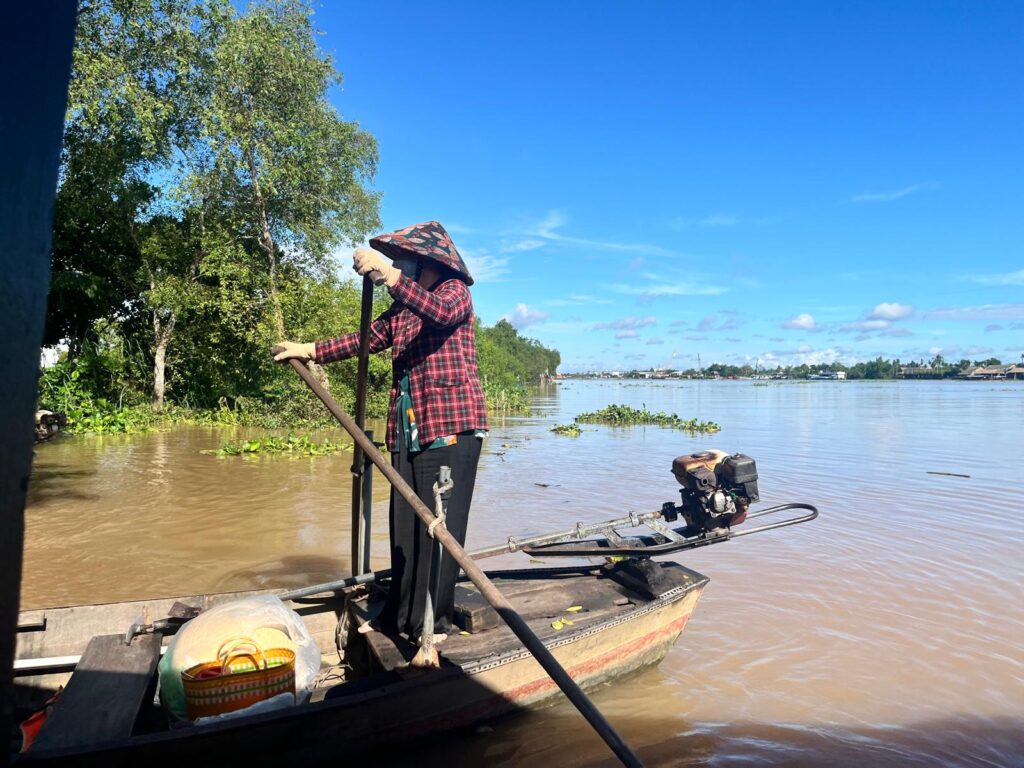
As with anywhere in the world, the Vietnamese people appreciate when visitors respect and adhere to local customs, traditions, and cultural norms.
In Vietnam, that means:
- Respecting elders – It’s not uncommon for young people to give their bus seat to a senior citizen or even allow them to skip the line (or the queue) at the supermarket.
- Addressing people by their surnames – In formal settings, many adults go by “Mr.” or “Ms.” and their surname, say “Mr. Nguyen” or “Ms. Huong.”
- No shoes inside homes – It’s customary to take off your shoes inside someone’s home or sometimes even inside a small business.
- Enjoy shared meals – Typically, friends and family share meals, meaning everybody takes servings from communal bowls.
- Avoid excessive PDA – Public displays of affection between romantic partners are somewhat frowned upon in Vietnam.
- Haggling—You can often negotiate prices in local markets, especially for non-food goods such as clothes or knickknacks.
Vietnam is still a largely traditional culture. Family is extremely important; many live with extended family members, including grandmothers and grandfathers. They typically cook, clean, play, relax, and raise children together.
While Vietnamese culture is undoubtedly different from Western culture, people here, as they do in the West, generally just want to be treated well, and in most cases, they’ll reciprocate that treatment.
We’ve never had any overly negative experiences here in Vietnam. Most Vietnamese people we interact with are friendly, helpful, and warm. They are usually thrilled when you show an interest in their culture and history!
So, Is Ho Chi Minh City Safe?
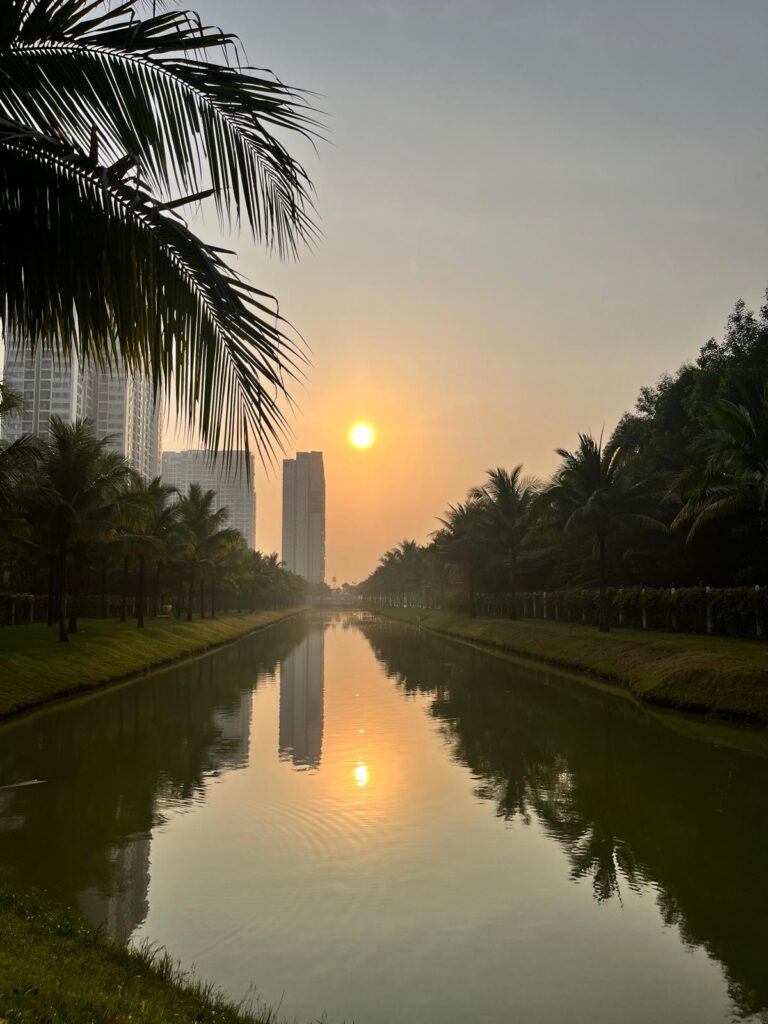
How safe is Ho Chi Minh City?
By most metrics, it’s at least moderately safe. In our anecdotal experience, it’s safe.
Petty crime, mainly theft, does occur. However, Vietnam is also a high-trust society.
We regularly see local people leave expensive laptops sitting open on busy cafe tables when they go to the restroom. We also see local families lounging in their homes after dark, watching flatscreen TVs with their front doors wide open just a few steps off city streets.
To us, that indicates people here aren’t overly concerned about crime.
Violence against foreigners is extremely rare. We’ve never encountered it in any form, and the statistics suggest it’s virtually a non-issue.
So, is Ho Chi Minh City safe?
Ultimately, we say, yes, it is!
If you’re considering visiting Ho Chi Minh City, Vietnam, do it!
There’s so much to see, so much to do, and so much to enjoy here in “The Pearl of The Far East”!
What do you think? Is Ho Chi Minh City safe? Comment and let us know what you think!



Leave a Reply