
I think the best time to visit Ho Chi Minh City is whenever you have the vacation days to get here. But if you have the flexibility, you might want to try to plan your trip around the seasons (it’s easy; there are only two seasons in southern Vietnam).
I’ve spent over a year in Ho Chi Minh City, Vietnam, and have been in the city for all seasons. In this article, I’ll share everything you need to know about the best time to visit Saigon, including weather, information about rainy and dry seasons, and other good times to travel to southern Vietnam.

When is the Best Time to Visit HCMC, Vietnam?
The best time to visit Ho Chi Minh City is December, January, and February for good weather. During these months, the average temperatures, humidity, and rainfall are all at their lowest. It’s still hot and humid, but it’s about as good as it’ll get in the winter.
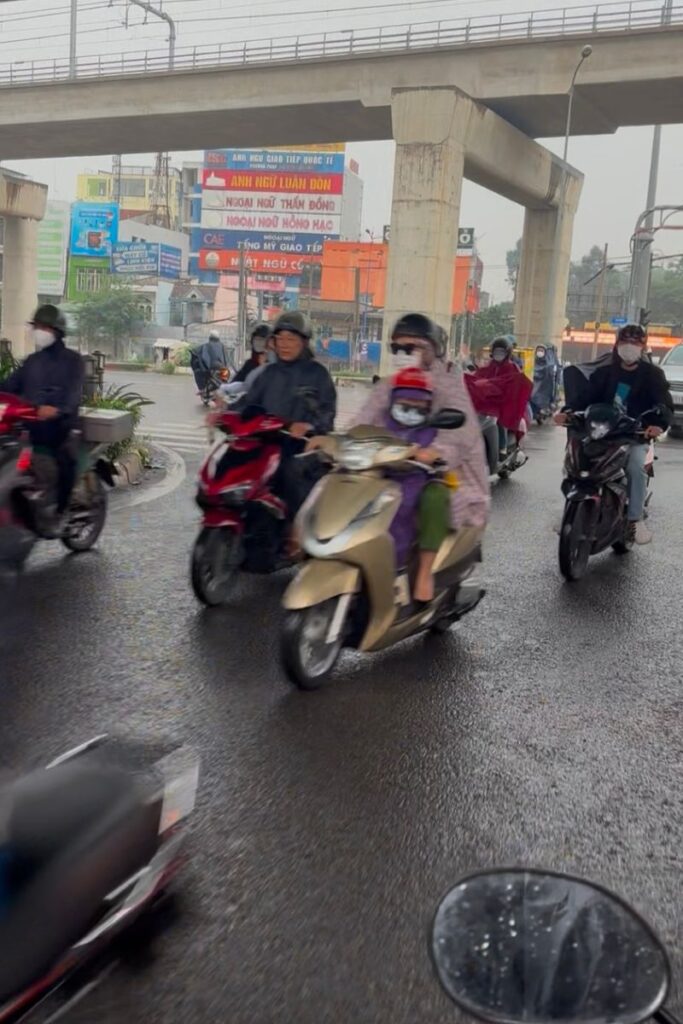
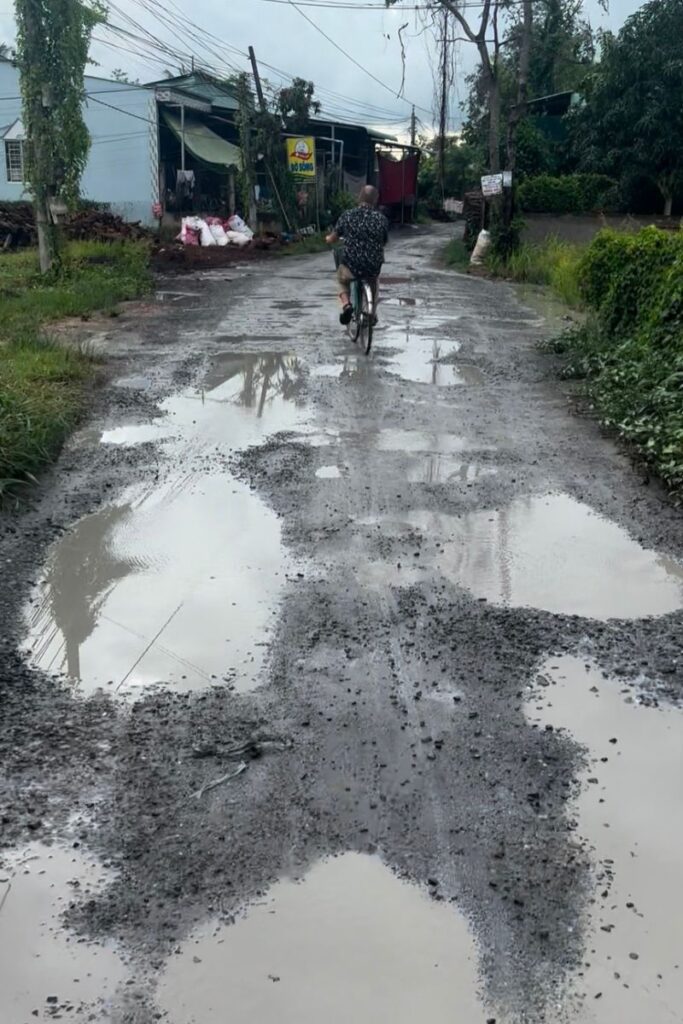
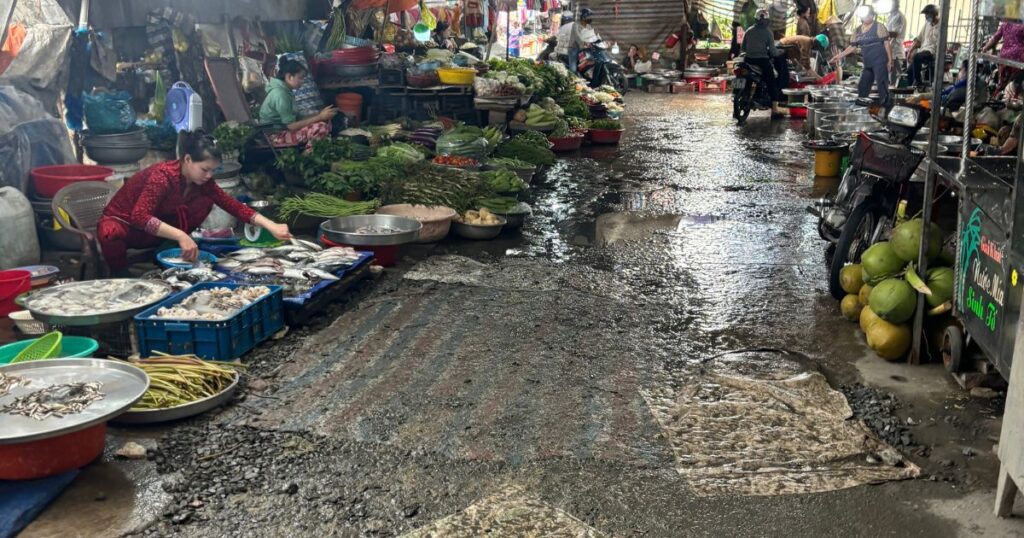
However, if you have to visit during the summer or rainy months, don’t stress. It rains A LOT during the rainy season but isn’t unbearable. It usually comes in spurts. The heavy rain lasts around an hour. You just have to bring an umbrella and rain poncho and be prepared to catch cover in a cozy cafe during the worst rain. HCMC is safe, but sometimes it can be a little dangerous driving on flooded roads.
Explaining the Seasons and Weather in Ho Chi Minh City
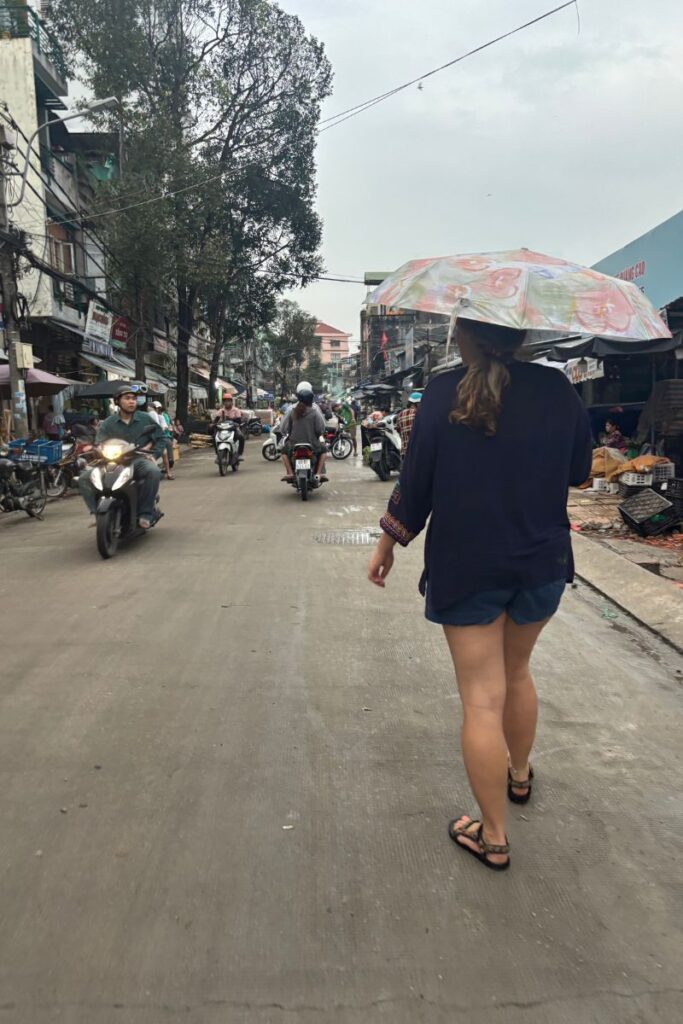
There are only two seasons in Ho Chi Minh City: the rainy and dry seasons. The rainy season is typically from May to November, and the dry season is from December to April (though sometimes there’s a little overlap; this year, it kind of rained a lot in December compared to previous years).
Rainy season in Saigon (May to November)
The rainy season is the worst time to visit Ho Chi Minh City, and it lasts from May to November, but sometimes it also rains a bit in December. During the rainy season, it typically rains through the day (the worst of it usually in the later afternoon and the evenings) for 1-2 hour chunks of time. There are still periods of time with sun and nice weather, but it can be a little unpredictable.
The good thing about the rainy season is that it clears up some of the pollution and makes the air feel fresher. I’ve noticed that when the weather shifts from rainy to dry season in HCMC, the air quality seems to take a little dip. The rain also keeps it from feeling too hot and humid.
Traveler Note: Rainy season is also called monsoon season in Vietnam. Monsoon season in Ho Chi Minh City is also from May to November, a period of heavy rain that can result in dangerous flooding.
Tips for surviving the rainy season in hcmc
We’ve been in Ho Chi Minh City for several rainy seasons, and it’s not all that bad. Yes, it rains a lot. Yes, it can be humid. Yes, parts of the city flood, but you can still see and do a lot. Here are a few tips for surviving the rainy season if you’re visiting from May to November:
- Bring an umbrella, poncho, and rain jacket: You will always want all three things with you during the rainy season. The last thing you want is to be stranded with nowhere to go and heavy downpours of rain.
- Prepare to ride it out in a cafe: If the rain is super strong and you aren’t in a hurry, the best thing to do is hop in a cafe until it starts to slow down. Fortunately, there are cafes everywhere in Saigon.
- Wear good shoes: During the peak rainy season, the streets will flood a lot. There will be water everywhere. I recommend making sure you have good shoes that can get wet, not weigh you down, and dry quickly. I love my Tevas, but any strappy sandal with good support should work.
- Don’t rely on a weather report: We tried so hard to check the radar and weather report before going out for the day but quickly learned it’s rarely right. Sometimes, it’d say there’s a big storm over the city right now, and we’d look outside to sunshine and no cloud in sight. And sometimes, it was the opposite. Don’t plan around the weather report, just always leave your accomodation prepared for the worst.
- Don’t miss out because of the rain: Don’t let it get in the way of doing fun things around the city or stay inside because you think it might rain. Just enjoy it and try to make the most of it. Who knows, it might not even rain.
I promise the rainy season isn’t all that bad. I think a lot of it is a mindset, too. If you have a positive mindset and don’t let rain delays get you down, it won’t bother you. Just don’t worry too much; it’s not that big of a deal, and it’s fun to ride a motorbike through flooded streets in the rain.
Dry season in Saigon (December to April)
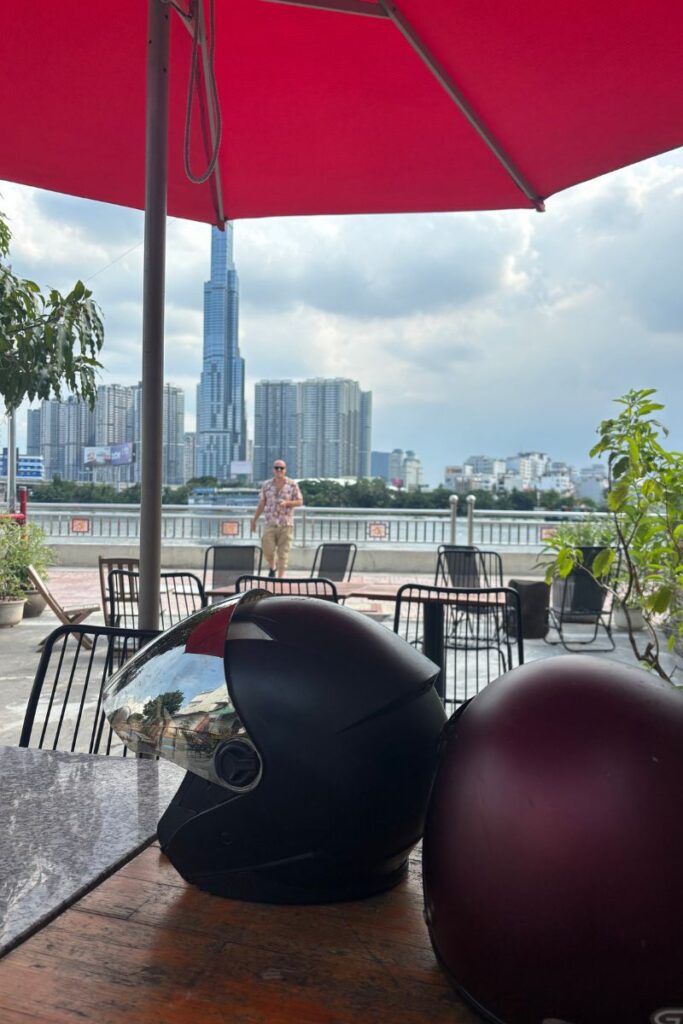
The dry season in Saigon is from December to April, and it is the best time to visit Ho Chi Minh City. January and February are particularly nice months with low temperatures, the lowest humidity of the year, and the lowest average rainfall.
The best thing about Saigon’s dry season and “winter” is how cool it gets in the evenings. It can get breezy in the low 70s (F), so it’s a bit cool for southern Vietnam.
It still rains on rare occasions during the dry season, especially during the shoulder season in the fall and spring, but it’s pretty rare.
Month-by-Month Breakdown of the Weather in Ho Chi Minh City
Here’s the average temperature, average humidity, and average rainfall in Ho Chi Minh City by month. The chart shows the average high temperatures, average low temperatures, average humidity, and average rainfall every month. The average temperature in HCMC is basically in the lows 80s (mid 20s Celsius) every month of the year, the biggest changes come with average low vs. high, humidity, and rainfall.
HCMC’s winter months (December through February) have average low temperatures in the low 70s Fahrenheit (or low 20s Celsius). In the summer months (April through August), the average lows are in the high 70s Farenheight (mid-20s Celsius). So, in the winter, it can get a little cool (comparatively), usually in the evenings.
When you factor in the average low temperatures, humidity, and monthly rainfall index, you can see that December, January, and February have the best weather. It’s cooler, less humid, and there’s significantly less rain.
| Month | Average High Temperatures (°F/°C) | Average Low Temperatures (°F/°C) | Average Humidity | Average Rainfall |
| January | 89.6°F / 32°C | 71.6°F / 22°C | 72% | 0.2” |
| February | 91.4°F / 33°C | 73.4°F / 23°C | 70% | 0.2” |
| March | 93.2°F / 34°C | 75.2°F / 24°C | 70% | 0.4” |
| April | 95°F / 35°C | 78.7°F / 26°C | 72% | 1.3” |
| May | 93.2°F / 34°C | 78.7°F / 26°C | 79% | 4.3” |
| June | 91.4°F / 33°C | 77°F / 25°C | 82% | 6.2” |
| July | 89.6°F / 32°C | 75.2°F / 24°C | 83% | 6.3” |
| August | 89.6°F / 32°C | 77°F / 25°C | 83% | 5.8” |
| September | 89.6°F / 32°C | 75.2°F / 24°C | 85% | 6.5” |
| October | 89.6°F / 32°C | 75.2°F / 24°C | 84% | 6.5” |
| November | 89.6°F / 32°C | 73.4°F / 23°C | 80% | 2.8” |
| December | 89.6°F / 32°C | 71.6°F / 22°C | 77% | 0.8” |
The average temperatures and the average rainfall data in the chart come from Weatherspark, and the average humidity data come from Weather and Climate. You can reference these websites, or ones similar, to get information about your exact travel dates to HCMC.
Best Time to Visit Ho Chi Minh City Around Festivals And Culture
If you don’t care about the weather and seasons, you can also plan your trip around some of the biggest festivals in Ho Chi Minh City and holidays in Vietnam. Here are some big ones to watch out for:
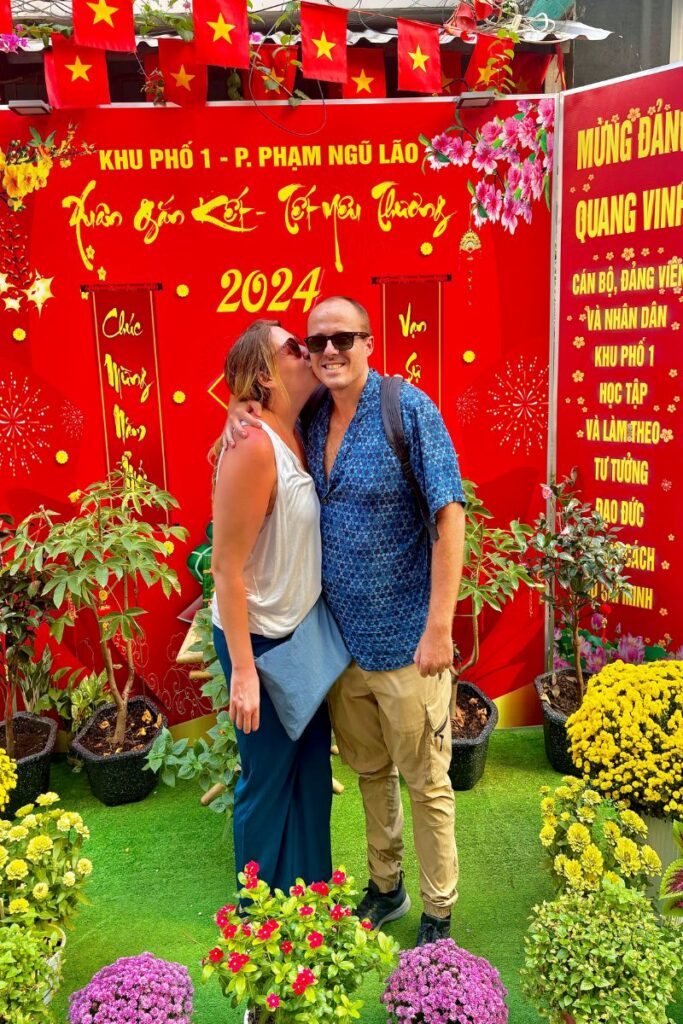
- Nguyen Hue Flower Street Festival: This flower festival has been going on for 20+ years in Saigon from December 28th-January 4th and is a fun part of local culture. The entire Nguyen Hue walking street is decorated, and tons of concerts and events are there.
- Tet (Lunar New Year): Tet is Vietnam’s Lunar New Year and usually takes place sometime at the end of January to mid-February (it’s based on the lunar calendar, so it changes). Tet in Ho Chi Minh City is not the best place to celebrate, but there are some fun events, decorations, and small festivals around the city. Nguyen Hue Walking Street is a great place to go in the evenings if you’re spending Tet in Saigon.
- Nghinh Ong Festival (Whale Festival): This festival takes place September 9th-11th in Can Gio District (where Monkey Island is located). The festival is a celebration for whales and fishermen, which celebrates a good fishing season. There are usually local concerts and dances.
- King Hung’s Commemoration: This festival is on the 11th day of the 3rd Lunar Month (this year, April 7th, 2025). It’s in honor of King Hung, as the name suggests. If you want the full experience, you should venture all the way out to District 9 (about an hour from the city center) to Suoi Tien Park, which has a special temple in honor of King Hung.
- Christmas and New Years: These holidays are fun in the city. The city decks out with tons of Christmas decorations, trees, and holiday spirit leading up to Christmas. Then, for New Year’s, the city hosts a massive fireworks show over the Saigon River, an incredible experience.
- Major football/soccer tournaments: The ASEAN Cup and the SEA Games are two biannual soccer tournaments in Southeast Asia. We were lucky enough to be in Ho Chi Minh City when Vietnam won the 2024 ASEAN Cup and it was one of the most exciting and electric times. After Vietnam won, there was a massive “go party” with thousands and thousands of motorbikes driving all over the city, waving Vietnam flags, cheering, and having a blast. If you’re lucky enough to be in Vietnam, you have to cheer for them!
There are a few other national holidays and unrecognized holidays, too. In general, Ho Chi Minh City is not the most popular place in Vietnam to experience culture and tradition. It’s the largest city in Vietnam and is known as a business and university hub, not a cultural center. But you can find interesting things any time of the year because people from all over the world live, travel, study, and work in the city.
Low Season vs. High Season in Ho Chi Minh City
The low season corresponds with the rainy season, and the high season corresponds with the dry season, with a few minor caveats.
Low season is when there are fewer tourists, so there are fewer crowds and slightly lower prices. The cheapest months to travel to HCMC are from around April to June and September to November.
High season is when there are a lot more tourists and people in the city, things are slightly more expensive, and accomodation books up faster. The high season is usually from December to April.
To be entirely honest, when it comes to crowds and prices, I don’t notice a huge difference between seasons. Of course, when it’s raining a lot, there are fewer people outside and on the roads. But other than that, there are no significant differences besides weather-related factors.
The Worst Times To Visit HCMC
Now that we’ve talked about the best time to visit Ho Chi Minh City, let’s talk a little about the worst times to visit HCMC. If you have total flexibility, these are some times to try to avoid (spoiler: there aren’t many because things don’t change too much in the city aside from rain levels):
Peak flooding season
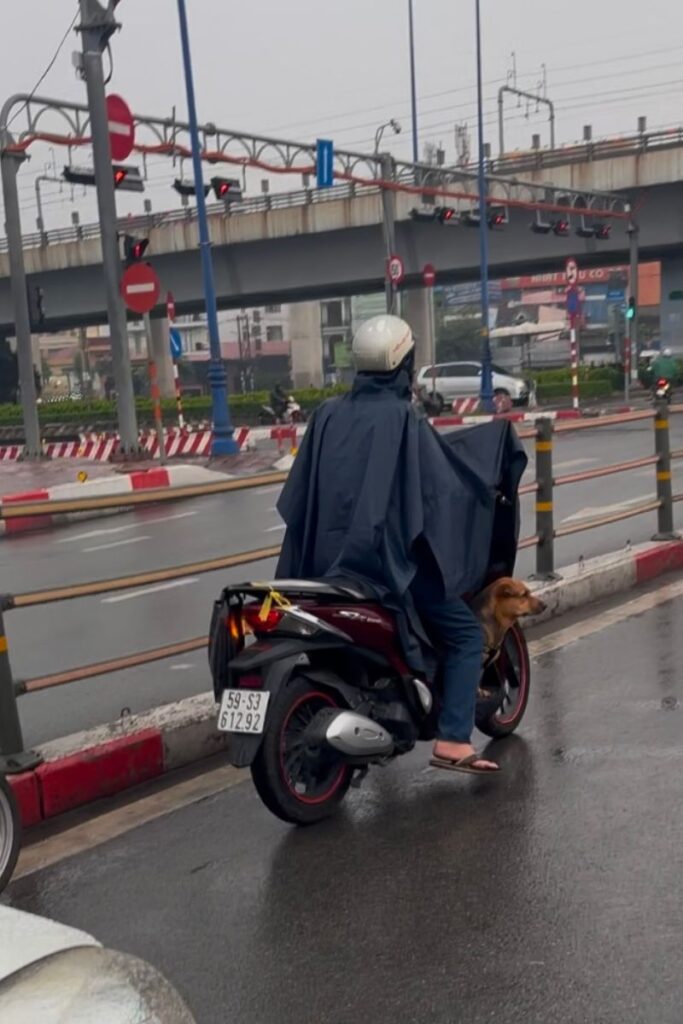
June through October is peak flooding season in Ho Chi Minh City, and let me tell you, some of the streets flood. These are the main months to avoid if you want to stay completely dry and don’t want to deal with flooded streets. And not only does it rain a lot, but it’s also super humid, making it a little uncomfortable for most people during the height of the day.
Extreme heat waves
Saigon is no stranger to heat waves. Every year, starting around March or April and going through the summer, Ho Chi Minh City is at risk of serious heat waves. During these periods, temperatures can go above 95°F (35°C) and get very humid. It’s a little hard to predict the heat waves, but they’re common in the summer and during the rainy seasons.
Tet (Lunar New Year)
Celebrating Tet in Vietnam is a really cool experience because it’s such a big holiday, but HCMC is not the best place to celebrate. HCMC is made up of a lot of students, business people, immigrants, and foreigners. Tet is a massive family-focused holiday, so most people leave the city to celebrate in their hometowns.
A few years ago, HCMC always turned into a real ghost town during Tet, with almost no businesses open and the streets practically empty. More and more people are staying in the city lately, but it’s still quiet compared to the rest of the year.
Are The Seasons The Same Throughout All of Vietnam?
No, the seasons are not the same throughout the entire country. Vietnam might not look like the biggest country, but there’s a ton of land diversity.
Northern Vietnam has four seasons: summer, fall, winter, and spring. In the winter, temperatures can drop below freezing, and it can even snow. Monsoon season in the north usually lasts from June through August.
Central Vietnam has a slightly closer climate to southern Vietnam, with two main seasons: dry and wet. The dry season is from December to August, and the wet season is from September to November. The main difference is it gets significantly cooler in the winter in central Vietnam.
And as we know, southern Vietnam (where Ho Chi Minh City is located) has two seasons: dry and wet.
There are some other small factors to consider that don’t affect HCMC, like the burning season from January to April, which is more prevalent in the more rural villages outside of the cities.

When I Recommend You Visit Ho Chi Minh City, Vietnam
I’ve spent years in Vietnam and been in Ho Chi Minh City for all seasons. Based on my experience, January, February, and March are the best months to visit Vietnam. The weather is cooler, it barely ever rains, and it’s way less humid. It’s also really fun to be in the city for Christmas, New Year’s, and around Lunar New Year (assuming you won’t want a white Christmas).
That said, I’ve fallen in love with Ho Chi Minh City, and I don’t think you should skip it entirely because of the season or weather. If you can only visit during the peak rainy season, try it at least for a few days.
Have you visited Saigon before? If so, what season was it, and how did you find the weather? We’re always open to other input.



Leave a Reply